The Jumping Flea: How the ʻUkulele Found Its Voice in Hawaiʻi
Adapted from a Portuguese instrument, the ʻukulele became the cheerful, unmistakable sound of the Hawaiian islands.
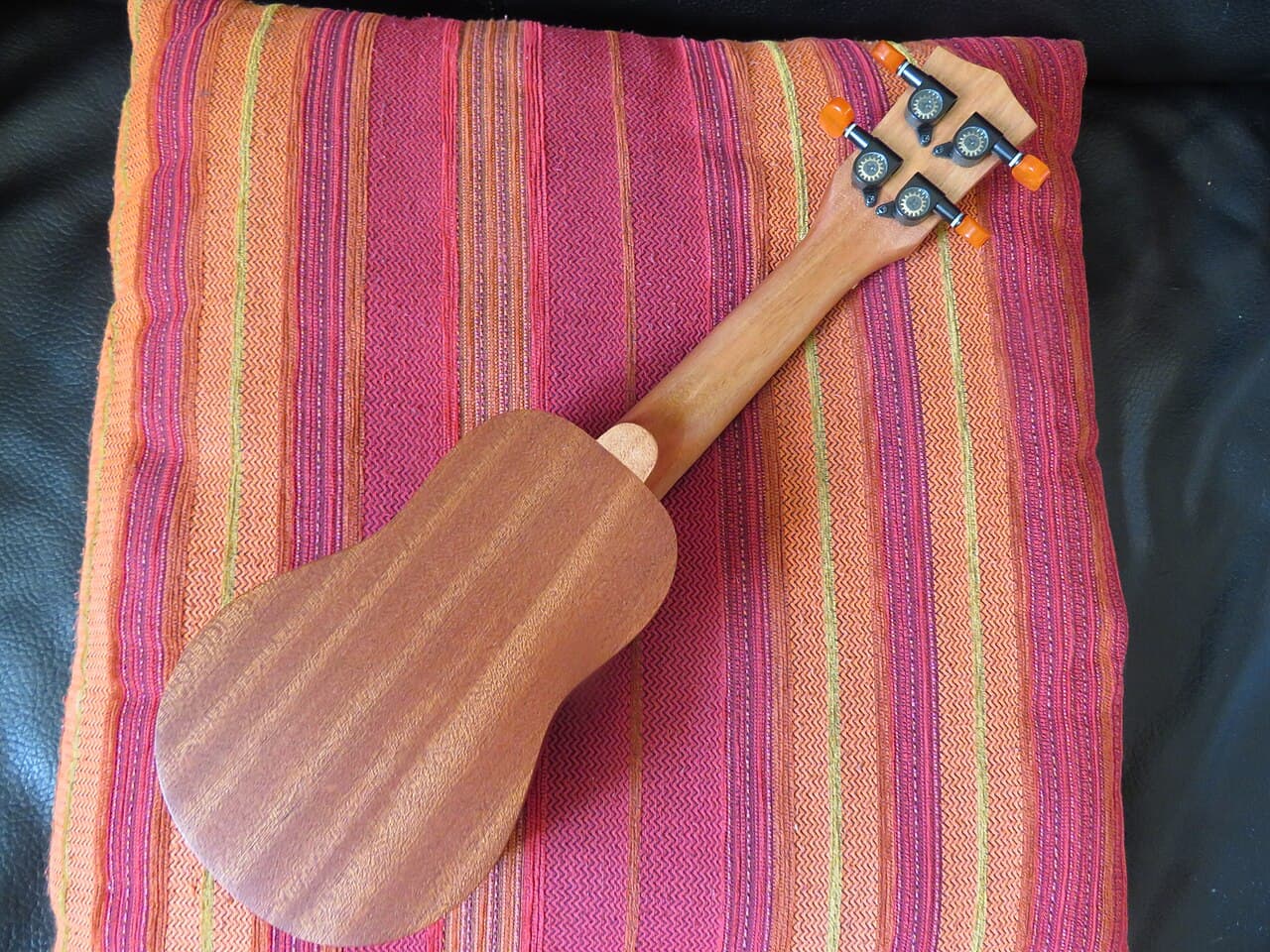
Small, four-stringed and endlessly cheerful, the ʻukulele is inseparable from the sound of Hawaiʻi — but it began as an import. Portuguese immigrants brought a small guitar-like instrument called the machete to the islands in the 1870s, and Hawaiians made it their own, giving it a name that translates, charmingly, as 'jumping flea.'
From Import to Icon
Hawaiian royalty embraced the instrument early, and King Kalākaua featured it at royal gatherings, cementing its place in island music. Over the next century it spread worldwide in waves of popularity, yet its spiritual home remains Hawaiʻi, where master players treat it as a serious instrument, not a novelty.
Playing the Islands' Song
The ʻukulele's gentle voice suits everything from lilting hapa-haole tunes to virtuosic solo arrangements. For visitors, a beginner ʻukulele is one of the most joyful souvenirs imaginable — a few simple chords and you carry a piece of the islands' sound home with you.
The Portuguese brought the instrument; Hawaiʻi gave it a soul — and a name that means 'jumping flea.'
Good to Know
- Adapted from the Portuguese machete in the 1870s
- The name loosely means 'jumping flea'
- Championed by King Kalākaua and Hawaiian royalty
- A beginner ʻukulele makes a joyful souvenir
It is a living tradition, carried forward by the people who call these islands home.
More stories to read

The Language of Hula: How Hawaiʻi Dances Its History
Far more than a tourist spectacle, hula is a sacred art that preserves the stories, genealogy and spirit of the Hawaiian people.

Pele's Domain: Volcanoes, Legend and the Living Land of Hawaiʻi
On the Big Island, the goddess Pele is not a myth of the past but a presence felt every time the earth glows red.

Finding the Way: Hōkūleʻa and the Rebirth of Hawaiian Voyaging
A double-hulled canoe sailing by the stars rekindled a nation's pride and proved the genius of Polynesian navigation.