The Language of Hula: How Hawaiʻi Dances Its History
Far more than a tourist spectacle, hula is a sacred art that preserves the stories, genealogy and spirit of the Hawaiian people.

To outsiders, hula can look like entertainment — grass skirts and swaying hips under stage lights. To Hawaiians, it is something profound: a living archive of story, prayer and history, danced by the body and chanted by the voice. Before the written word reached the islands, hula carried genealogies, legends and the deeds of chiefs across generations.
Two Faces of the Dance
Hula divides broadly into hula kahiko, the ancient form performed to chant and traditional percussion, and hula ʻauana, the modern style set to melody and stringed instruments. Both are rigorous disciplines learned in a hālau under a kumu hula, a master teacher who guards the tradition's protocols and meaning.
A Living Tradition
After being suppressed in the 19th century, hula endured and has flourished anew, celebrated today as a cornerstone of Hawaiian identity. Every gesture carries meaning — a wave of the hand can be rain, an ocean or a longing — so watching hula well means watching for the story it tells.
Hula is not decoration; it is memory made visible, the islands telling their own story with the body.
Good to Know
- Hula kahiko is the ancient, chant-based form
- Hula ʻauana is the modern, melodic style
- Dancers train in a hālau under a kumu hula
- Every hand movement carries specific meaning
It is a living tradition, carried forward by the people who call these islands home.
More stories to read

Pele's Domain: Volcanoes, Legend and the Living Land of Hawaiʻi
On the Big Island, the goddess Pele is not a myth of the past but a presence felt every time the earth glows red.

Finding the Way: Hōkūleʻa and the Rebirth of Hawaiian Voyaging
A double-hulled canoe sailing by the stars rekindled a nation's pride and proved the genius of Polynesian navigation.
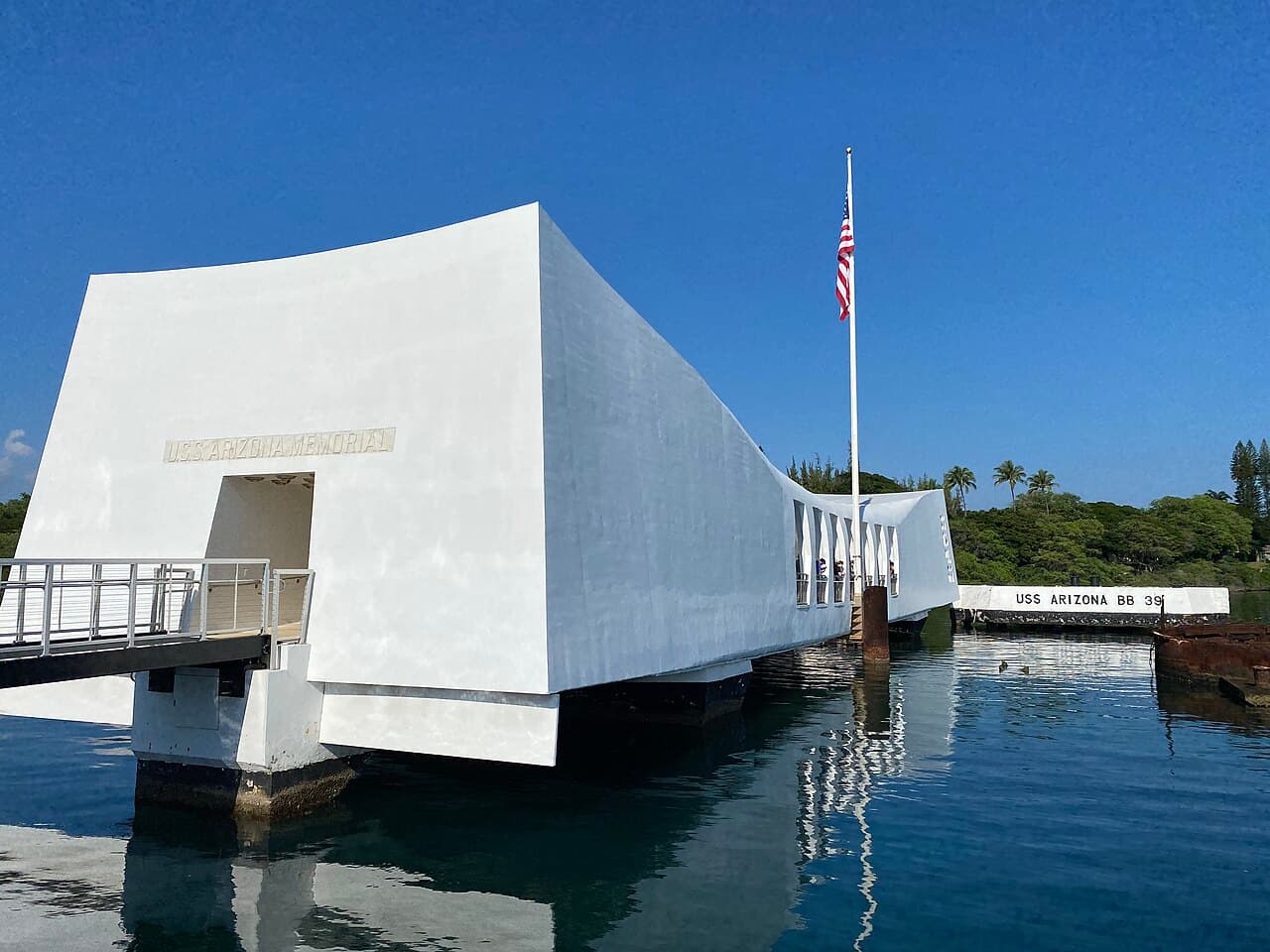
A Place of Remembrance: Visiting Pearl Harbor with Respect
The memorials at Pearl Harbor mark a pivotal moment in world history and a solemn resting place still honored today.