Finding the Way: Hōkūleʻa and the Rebirth of Hawaiian Voyaging
A double-hulled canoe sailing by the stars rekindled a nation's pride and proved the genius of Polynesian navigation.

In 1976, a double-hulled voyaging canoe named Hōkūleʻa sailed from Hawaiʻi to Tahiti using no instruments — only the stars, swells, winds and birds read by a traditional navigator. The voyage electrified the islands, proving that ancient Polynesians had deliberately settled the Pacific through masterful wayfinding, and igniting a cultural renaissance.
Reviving a Lost Art
By the 20th century, traditional Hawaiian navigation had nearly vanished, and Hōkūleʻa's crew turned to a Micronesian master navigator to relearn it. The success of that first voyage restored pride in Hawaiian and Polynesian heritage and inspired generations to study the old sciences of the sea and sky.
A Continuing Journey
Hōkūleʻa has since sailed around the world, carrying a message of ocean stewardship and cultural pride to ports across the globe. When she returns home, thousands gather to greet her — a living symbol that the knowledge of the ancestors was never lost, only waiting to be reawakened.
Hōkūleʻa proved the ancestors didn't drift to Hawaiʻi — they navigated here, by the stars, on purpose.
Good to Know
- Hōkūleʻa first sailed to Tahiti in 1976
- The crew navigated with no modern instruments
- The voyage sparked a Hawaiian cultural renaissance
- She has since sailed around the world
It is a living tradition, carried forward by the people who call these islands home.
More stories to read

The Language of Hula: How Hawaiʻi Dances Its History
Far more than a tourist spectacle, hula is a sacred art that preserves the stories, genealogy and spirit of the Hawaiian people.

Pele's Domain: Volcanoes, Legend and the Living Land of Hawaiʻi
On the Big Island, the goddess Pele is not a myth of the past but a presence felt every time the earth glows red.
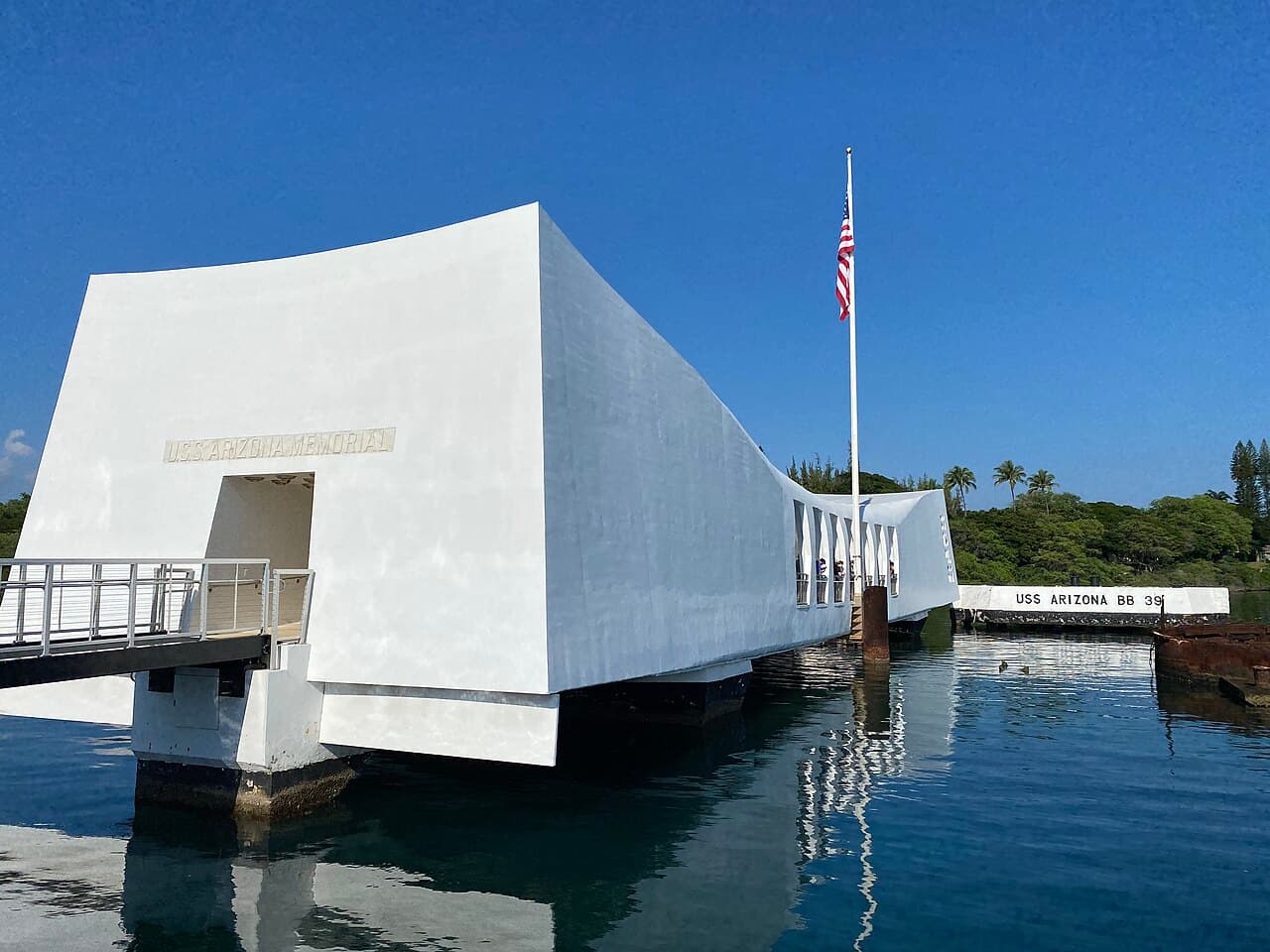
A Place of Remembrance: Visiting Pearl Harbor with Respect
The memorials at Pearl Harbor mark a pivotal moment in world history and a solemn resting place still honored today.