The Mighty Musubi: How Spam Became Hawaiian Soul Food
A slab of grilled Spam, a pillow of rice and a wrap of nori — the humble musubi is the islands' most beloved on-the-go snack.
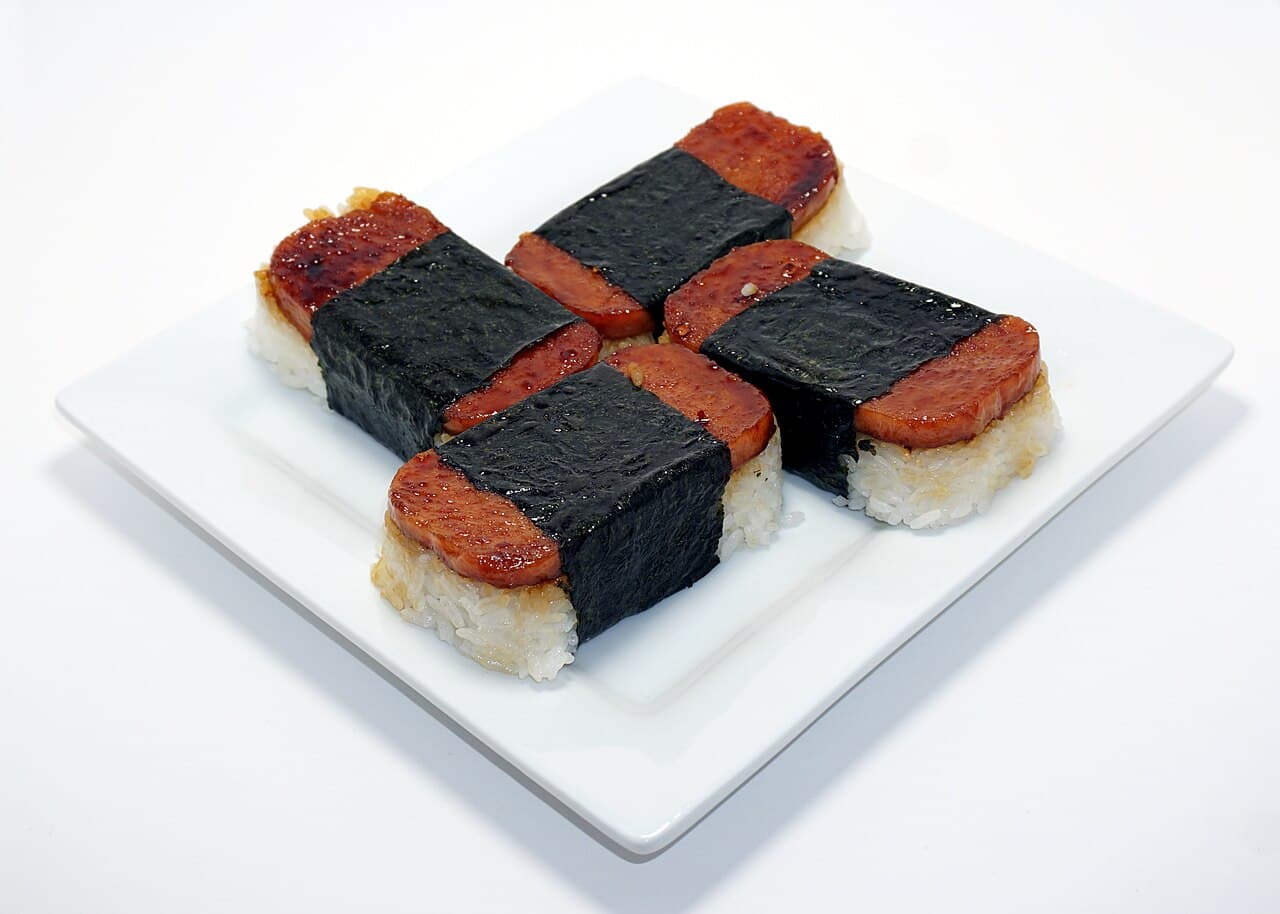
No food captures Hawaiʻi's affection for Spam quite like the musubi: a rectangle of rice topped with a glossy, teriyaki-glazed slice of the canned meat and bound with a strip of nori. Found at every convenience store, gas station and lunch counter, it is portable, cheap and, to generations of islanders, pure comfort.
A Wartime Legacy
Hawaiʻi consumes more Spam per capita than anywhere else in the United States, a habit rooted in World War II, when the shelf-stable meat became a staple. Local ingenuity turned it into the musubi — an onigiri-inspired snack that now anchors the grab-and-go case at any island market, including our fictional Kalihi Corner Store.
Beyond the Basic
The classic is teriyaki-glazed Spam, but cooks layer in fried egg, furikake, or even a smear of avocado. Eat it at room temperature straight from the plastic wrap on your way to the beach — no utensils, no fuss, just the ideal Hawaiian road snack.
The Spam musubi is proof that Hawaiʻi can turn almost anything — even canned meat — into soul food.
On the Plate
- The build: rice, teriyaki-glazed Spam, a nori wrap
- Hawaiʻi eats more Spam per person than any other state
- Common upgrades: fried egg, furikake, avocado
- Grab one from any convenience store for the beach
Bring an appetite and an open mind; the islands reward both.
More stories to read
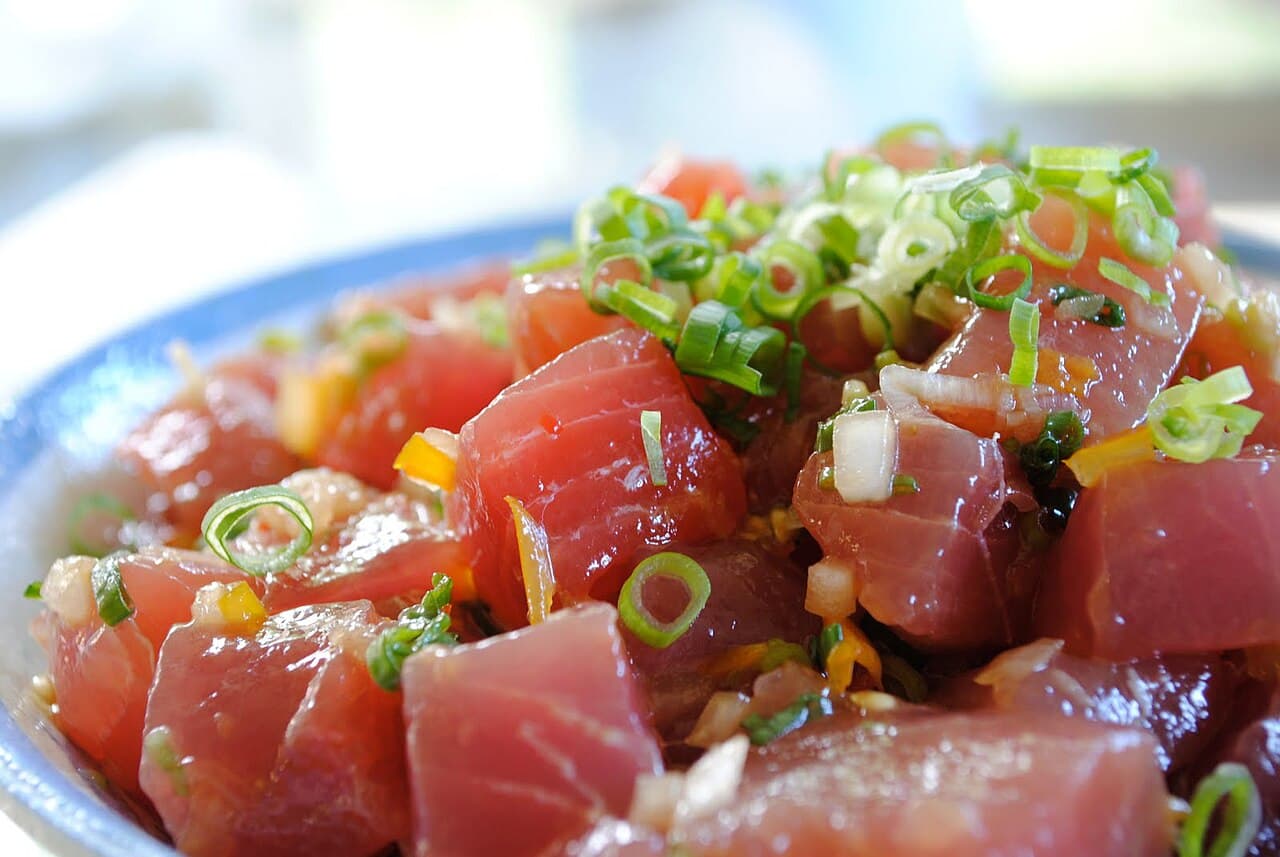
The Poke Revolution: How Hawaiʻi's Humble Fish Bowl Conquered the World
Cubed raw fish, shoyu, sea salt and a bowl of rice — poke is Hawaiʻi's gift to the global table, and it started long before the mainland caught on.

Garlic, Butter and a Paper Plate: The North Shore Shrimp Truck Trail
Sizzling garlic shrimp served from roadside trucks has become an essential, buttery ritual of any Oʻahu North Shore day.

Sweet Bread and Soft Rolls: Hawaiʻi's Portuguese Baking Legacy
Pillowy, faintly sweet and golden-crusted, Hawaiian sweet bread is another delicious gift from the islands' Portuguese community.