Sweet Bread and Soft Rolls: Hawaiʻi's Portuguese Baking Legacy
Pillowy, faintly sweet and golden-crusted, Hawaiian sweet bread is another delicious gift from the islands' Portuguese community.

Tear open a loaf of Hawaiian sweet bread and you get a cloud of soft, slightly sweet, golden crumb that has become a supermarket icon far beyond the islands. But its roots are firmly Portuguese, carried to Hawaiʻi by immigrant bakers who adapted their pão doce to island tastes and, in doing so, created a lasting classic.
From Camp Ovens to Kitchens
Portuguese laborers baked sweet bread in round loaves in wood-fired forno ovens, a tradition that took root across plantation communities. The style spread and softened into the sweet rolls now beloved for sandwiches, French toast and holiday tables, still baked fresh at spots like the fictional Kaimukī Sweet Bread Co.
Putting It to Use
Fresh sweet bread barely needs anything, but islanders put it to work: split for a teriyaki-burger bun, cubed for bread pudding, or thick-sliced for the fluffiest French toast imaginable. Buy a warm loaf if you can find one, and see how quickly it disappears.
Hawaiian sweet bread is Portuguese heritage baked soft and golden — and it belongs on every island table.
On the Plate
- A Portuguese import, adapted to island tastes
- Soft, golden and faintly sweet
- Great for sliders, French toast and bread pudding
- Buy it warm and fresh whenever you can
It is honest, generous food — the kind that tastes like the place it comes from.
More stories to read
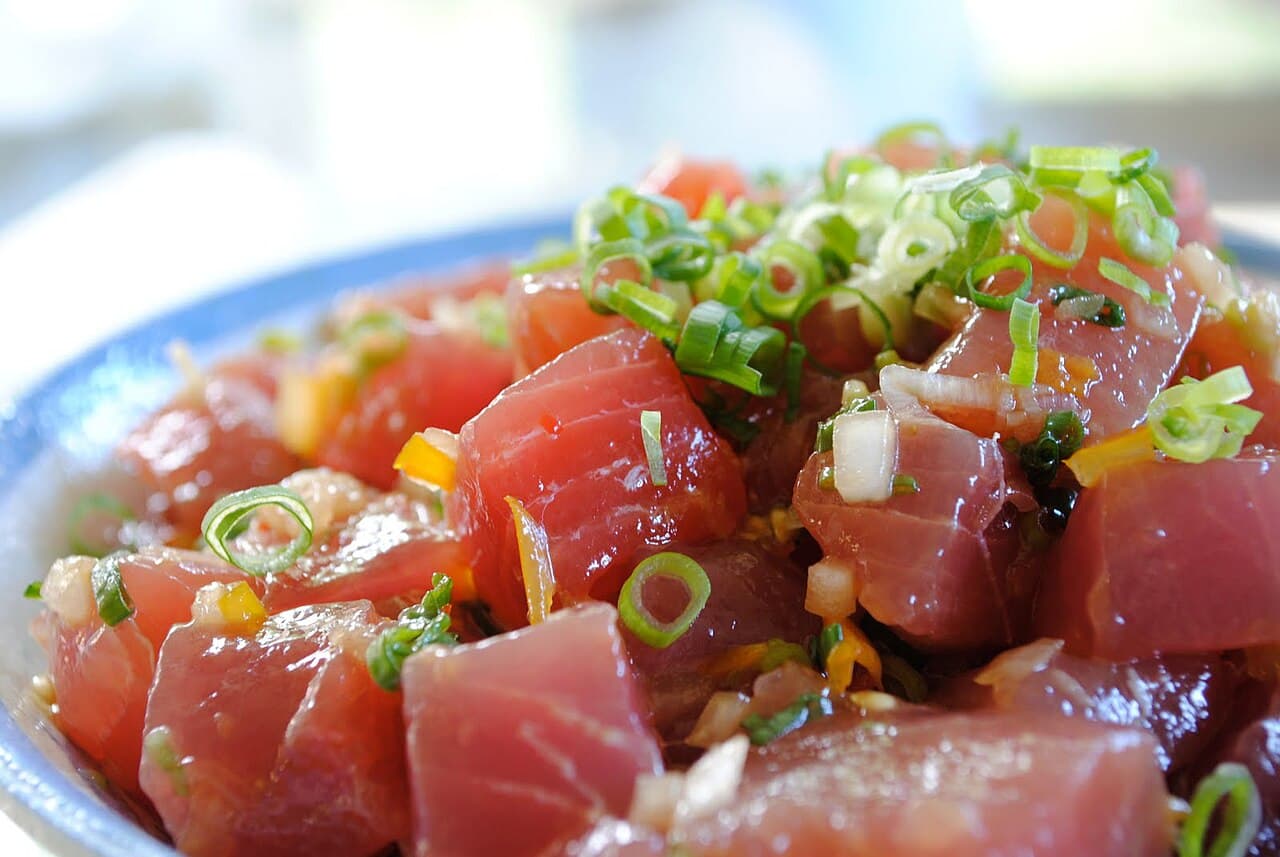
The Poke Revolution: How Hawaiʻi's Humble Fish Bowl Conquered the World
Cubed raw fish, shoyu, sea salt and a bowl of rice — poke is Hawaiʻi's gift to the global table, and it started long before the mainland caught on.

Garlic, Butter and a Paper Plate: The North Shore Shrimp Truck Trail
Sizzling garlic shrimp served from roadside trucks has become an essential, buttery ritual of any Oʻahu North Shore day.
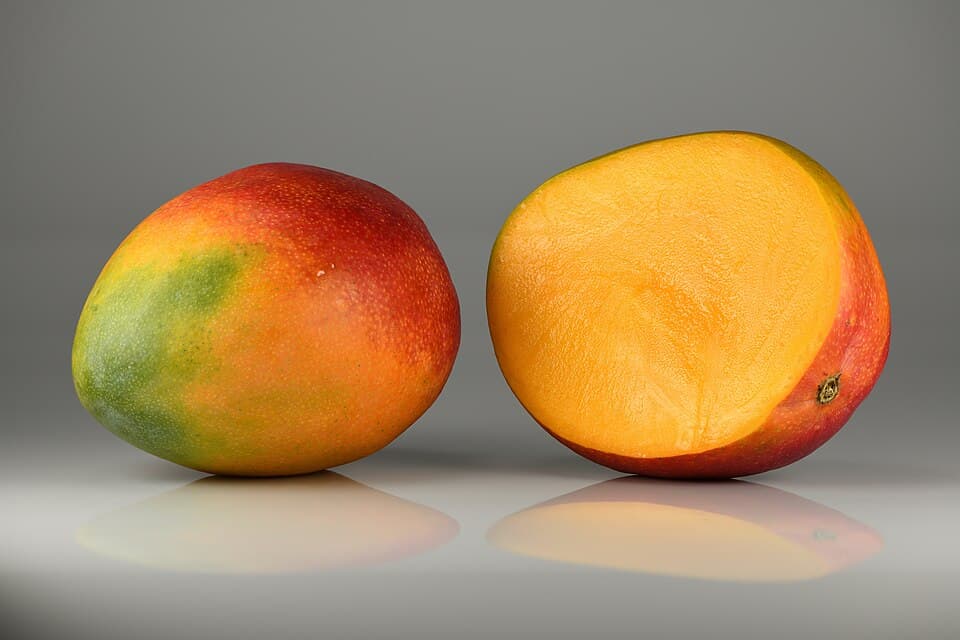
Beyond the Pineapple: A Field Guide to Hawaiʻi's Tropical Fruit
Lilikoʻi, mango, rambutan, soursop and apple bananas — Hawaiʻi's fruit basket runs far deeper than the pineapple.