The Poke Revolution: How Hawaiʻi's Humble Fish Bowl Conquered the World
Cubed raw fish, shoyu, sea salt and a bowl of rice — poke is Hawaiʻi's gift to the global table, and it started long before the mainland caught on.
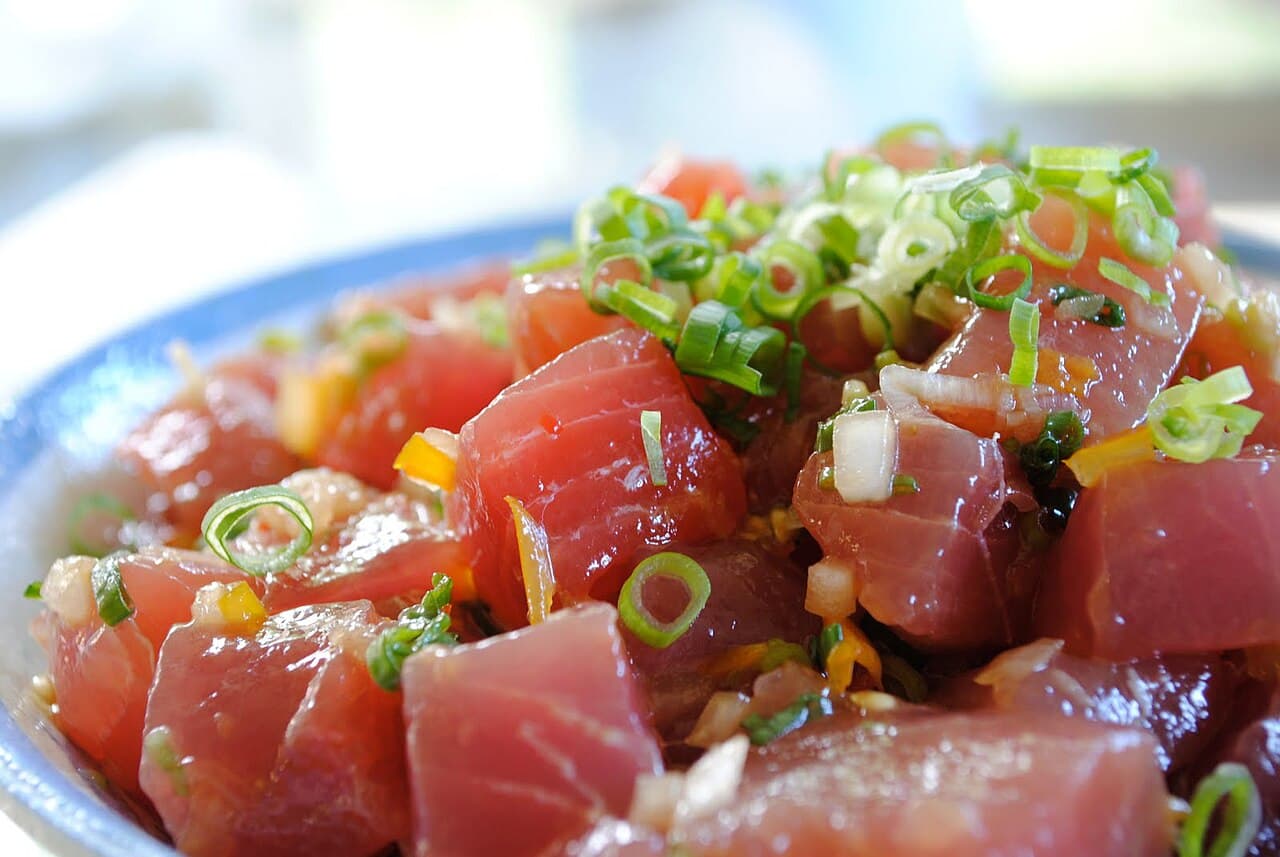
Long before poke became a mainland food-court staple, it was simply what Hawaiʻi ate: fresh-caught reef fish or ahi, cut into cubes and seasoned with sea salt, seaweed and kukui nut. The dish is as old as Hawaiian fishing itself, and on the islands it remains gloriously unpretentious — sold by the pound from grocery counters and roadside stands.
A Dish of Place
Classic Hawaiian-style poke leans on shoyu, sesame oil, green onion and limu, the flavor built around the quality of the fish rather than a laundry list of toppings. Every island has its loyalties, and a great poke counter — like the fictional Kai's Fish Market in our imagined Honolulu — lives or dies by how fresh the catch came in that morning.
Ordering Like a Local
Skip the elaborate build-your-own bowls if you want the real thing; ask for shoyu ahi over hot rice and let the fish speak. Poke is best eaten the day it's made, so buy it fresh, keep it cold, and never treat leftover poke as a next-day proposition.
Great poke isn't about the toppings — it's about fish so fresh it barely needs anything at all.
On the Plate
- Classic style: shoyu, sesame oil, green onion, limu and ahi
- Buy it by the pound from fish counters, not just restaurants
- Freshness is everything — eat it the same day
- Ask for it over hot rice for the local experience
It is honest, generous food — the kind that tastes like the place it comes from.
More stories to read

Garlic, Butter and a Paper Plate: The North Shore Shrimp Truck Trail
Sizzling garlic shrimp served from roadside trucks has become an essential, buttery ritual of any Oʻahu North Shore day.

Sweet Bread and Soft Rolls: Hawaiʻi's Portuguese Baking Legacy
Pillowy, faintly sweet and golden-crusted, Hawaiian sweet bread is another delicious gift from the islands' Portuguese community.
Beyond the Pineapple: A Field Guide to Hawaiʻi's Tropical Fruit
Lilikoʻi, mango, rambutan, soursop and apple bananas — Hawaiʻi's fruit basket runs far deeper than the pineapple.