A Bowl of Comfort: Saimin, Hawaiʻi's Own Island Noodle Soup
Neither ramen nor pho, saimin is a soul-warming noodle soup born entirely in Hawaiʻi's plantation kitchens.
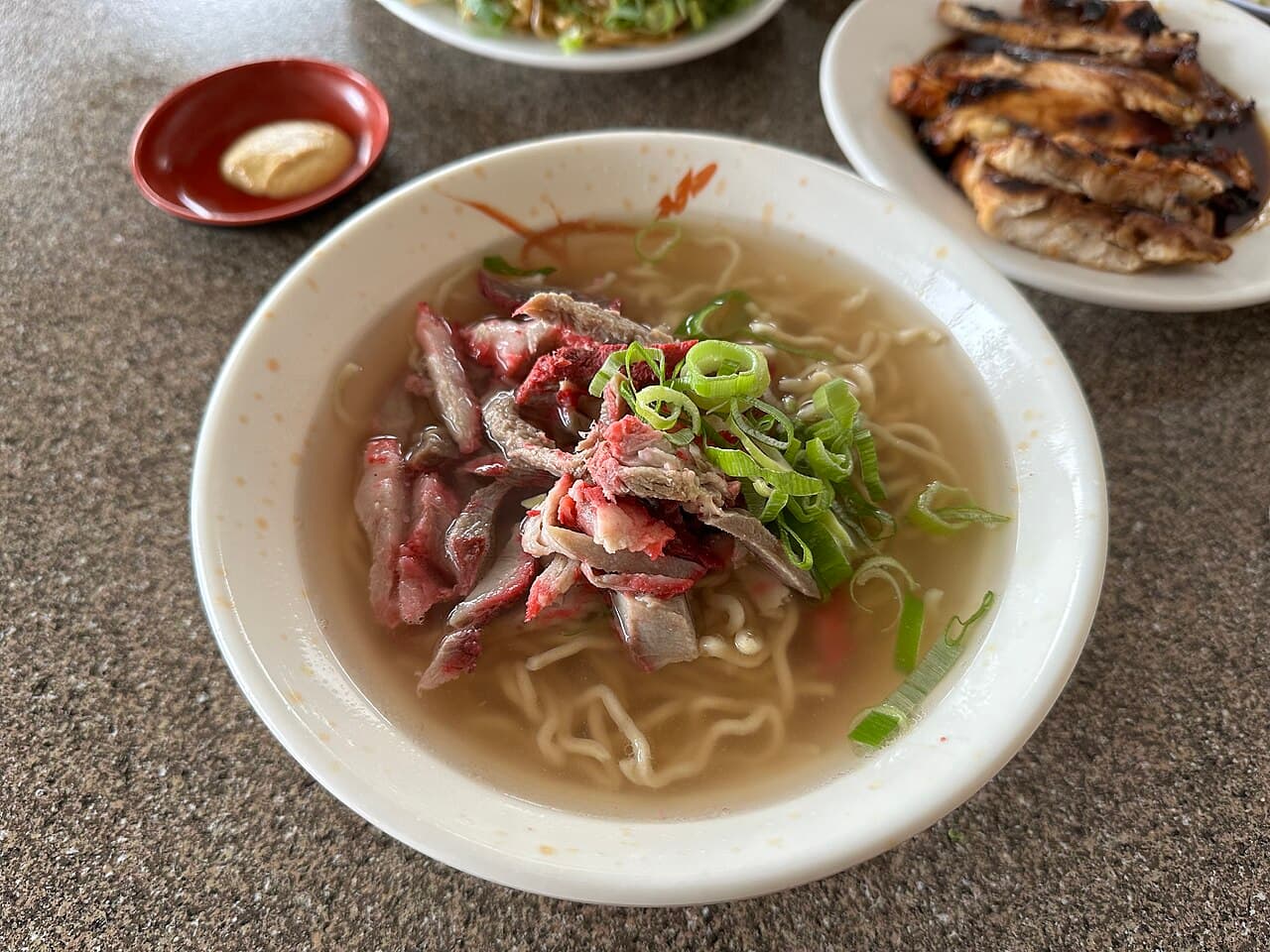
Saimin is Hawaiʻi's answer to the noodle soup, and it belongs to no other place. Springy wheat noodles float in a light, savory dashi-style broth, garnished with green onion, char siu, fish cake, egg and Spam. Invented in the plantation camps where Japanese, Chinese and Filipino cooks traded techniques, it is comfort in a bowl.
A Plantation Original
Unlike ramen, saimin has no single foreign ancestor; it emerged from the multicultural stew of Hawaiʻi's fields, borrowing a little from each community. It became so beloved that it once appeared on fast-food menus in the islands, and old-school saimin stands like the fictional Lihuʻe Saimin Hale still draw devoted regulars.
How It's Served
The broth is lighter and clearer than ramen's, meant to comfort rather than overwhelm, and the toppings are endlessly customizable. Add a side of teriyaki barbecue sticks, doctor the bowl with hot mustard and shoyu, and slurp without apology.
Saimin couldn't come from anywhere but Hawaiʻi — it's the plantation camps distilled into a single bowl.
On the Plate
- Springy noodles in a light dashi-style broth
- Toppings: char siu, fish cake, egg, green onion, Spam
- A true plantation-era invention
- Pair it with teriyaki barbecue sticks
Bring an appetite and an open mind; the islands reward both.
More stories to read
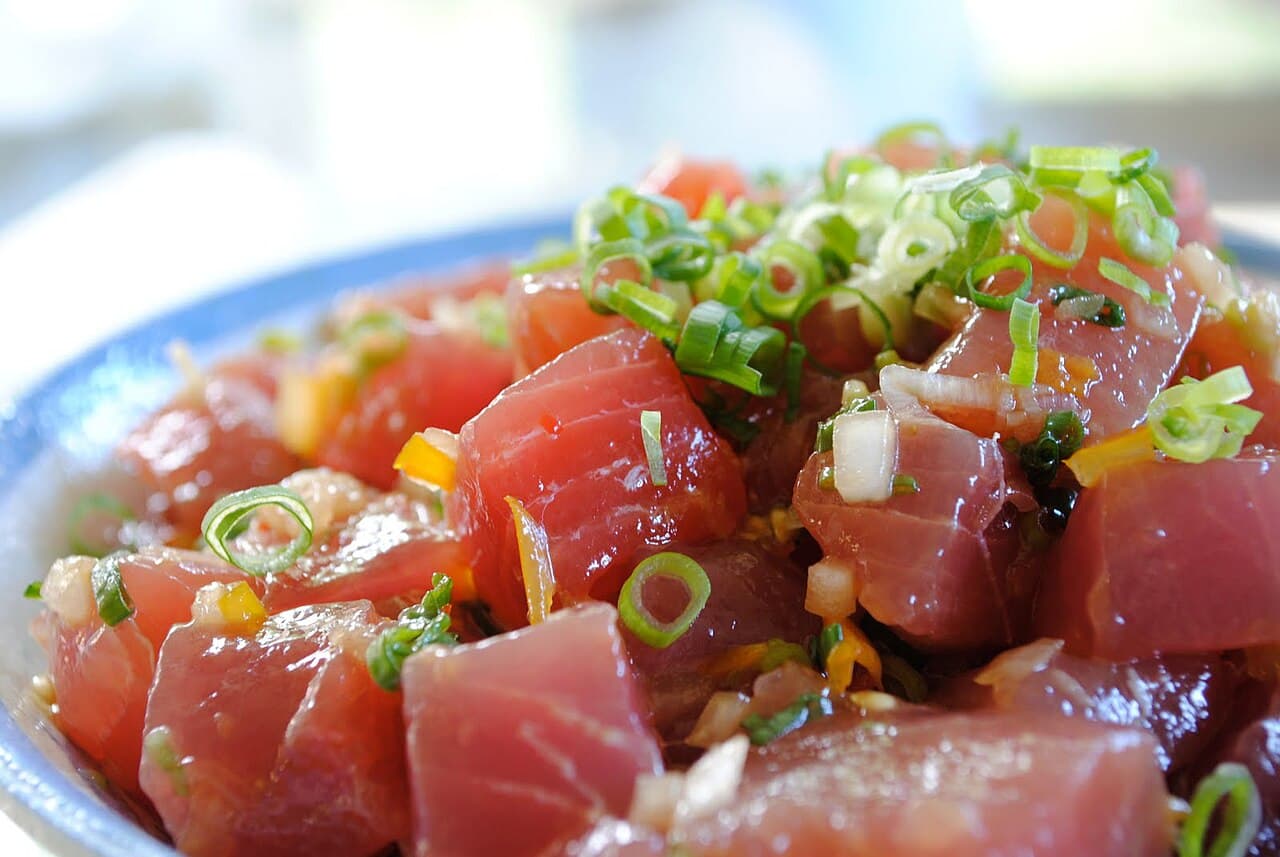
The Poke Revolution: How Hawaiʻi's Humble Fish Bowl Conquered the World
Cubed raw fish, shoyu, sea salt and a bowl of rice — poke is Hawaiʻi's gift to the global table, and it started long before the mainland caught on.

Garlic, Butter and a Paper Plate: The North Shore Shrimp Truck Trail
Sizzling garlic shrimp served from roadside trucks has become an essential, buttery ritual of any Oʻahu North Shore day.

Sweet Bread and Soft Rolls: Hawaiʻi's Portuguese Baking Legacy
Pillowy, faintly sweet and golden-crusted, Hawaiian sweet bread is another delicious gift from the islands' Portuguese community.