Poi and the Taro Patch: Rediscovering Hawaiʻi's Original Staple
Pounded from taro root, poi is far more than a side dish — it is a sacred staple at the very root of Hawaiian identity.
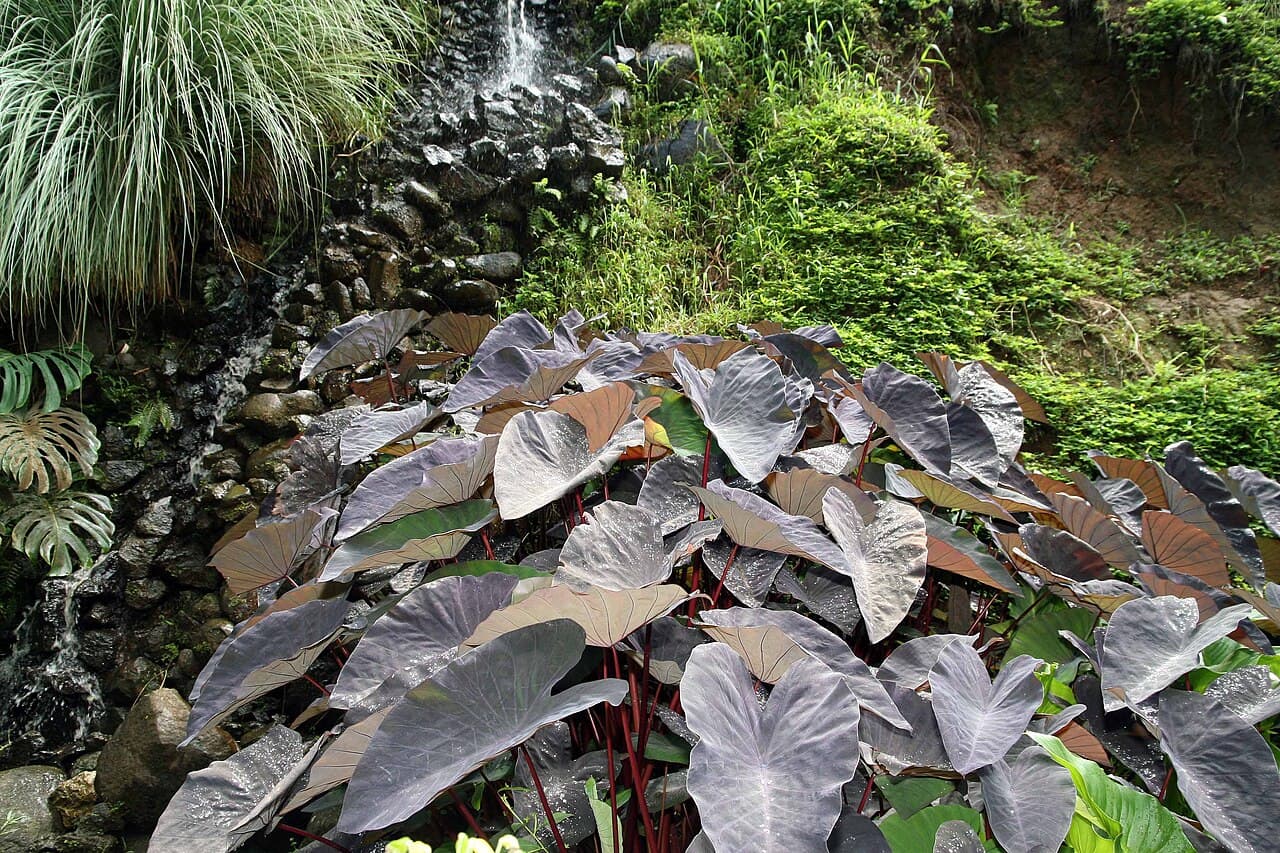
To many first-time visitors, poi is a puzzle — a smooth, purplish-gray paste with a mild, faintly tangy taste. But to Hawaiians, poi is foundational. Pounded from the steamed corm of the taro plant, or kalo, it carries deep cultural meaning: in tradition, kalo is the elder sibling of the Hawaiian people, and the loʻi taro patch is sacred ground.
A Living Heritage
Once the daily staple across the islands, taro cultivation declined for generations but is now enjoying a revival led by Native Hawaiian farmers restoring old loʻi. The work is as much about culture and language as calories, reconnecting communities to the land at places like the fictional Hanalei Taro Collective.
How to Try It
Poi is traditionally eaten fresh and slightly sweet, thickening and souring as it ages — both stages have their devotees. Pair it with kalua pig or lomi salmon rather than eating it alone, and approach it as Hawaiians do: not as a novelty, but as the heart of the meal.
Poi isn't just food in Hawaiʻi — it's genealogy, tying the people to the land through the taro plant.
Good to Know
- Poi is pounded from steamed taro corm (kalo)
- Kalo is considered the elder sibling of Hawaiians
- Fresh poi is mild and sweet; aged poi turns tangy
- Best enjoyed alongside kalua pig or lomi salmon
It is honest, generous food — the kind that tastes like the place it comes from.
More stories to read
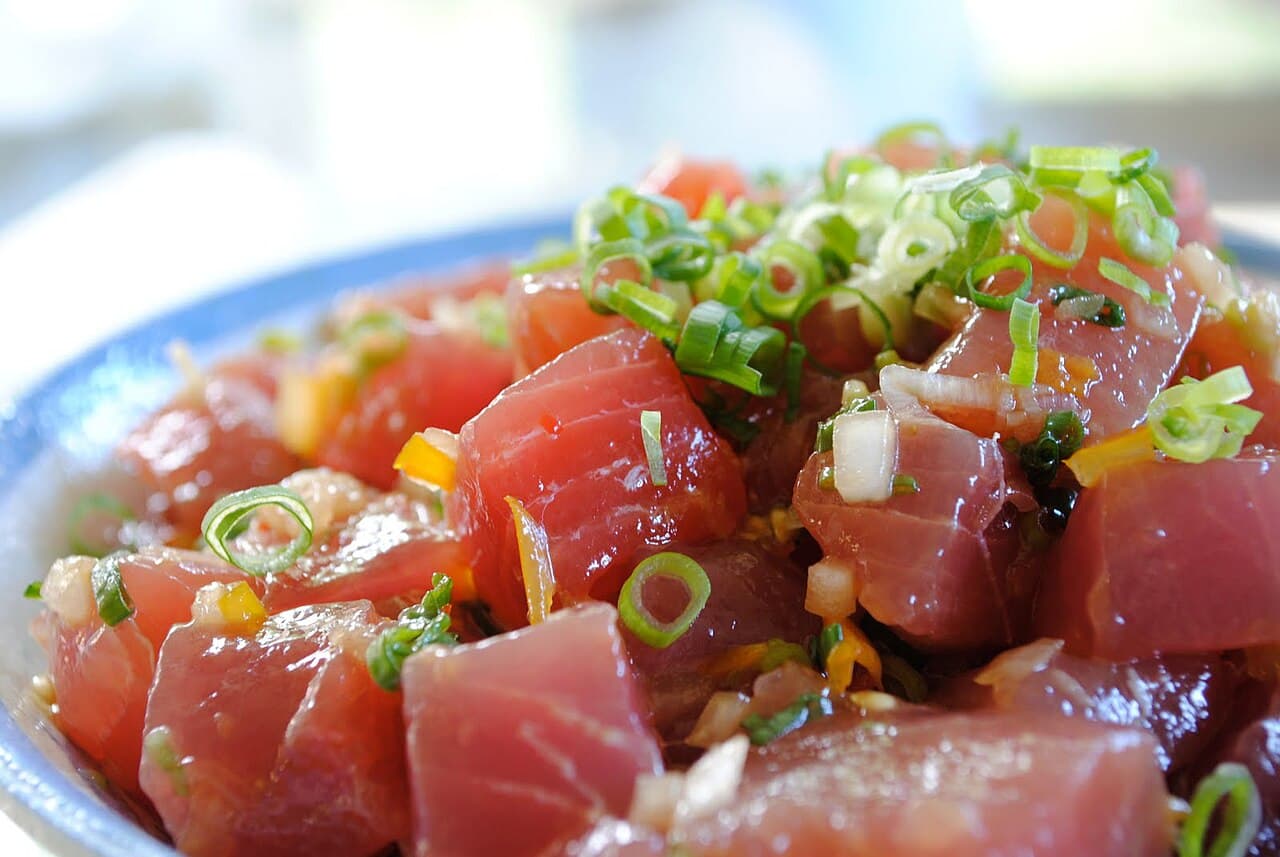
The Poke Revolution: How Hawaiʻi's Humble Fish Bowl Conquered the World
Cubed raw fish, shoyu, sea salt and a bowl of rice — poke is Hawaiʻi's gift to the global table, and it started long before the mainland caught on.

Garlic, Butter and a Paper Plate: The North Shore Shrimp Truck Trail
Sizzling garlic shrimp served from roadside trucks has become an essential, buttery ritual of any Oʻahu North Shore day.

Sweet Bread and Soft Rolls: Hawaiʻi's Portuguese Baking Legacy
Pillowy, faintly sweet and golden-crusted, Hawaiian sweet bread is another delicious gift from the islands' Portuguese community.