The Fruit That Built an Image: Pineapple's Complicated Hawaiian Story
The pineapple became Hawaiʻi's global symbol — but its history is a tangle of plantations, marketing and a fruit that isn't even native.
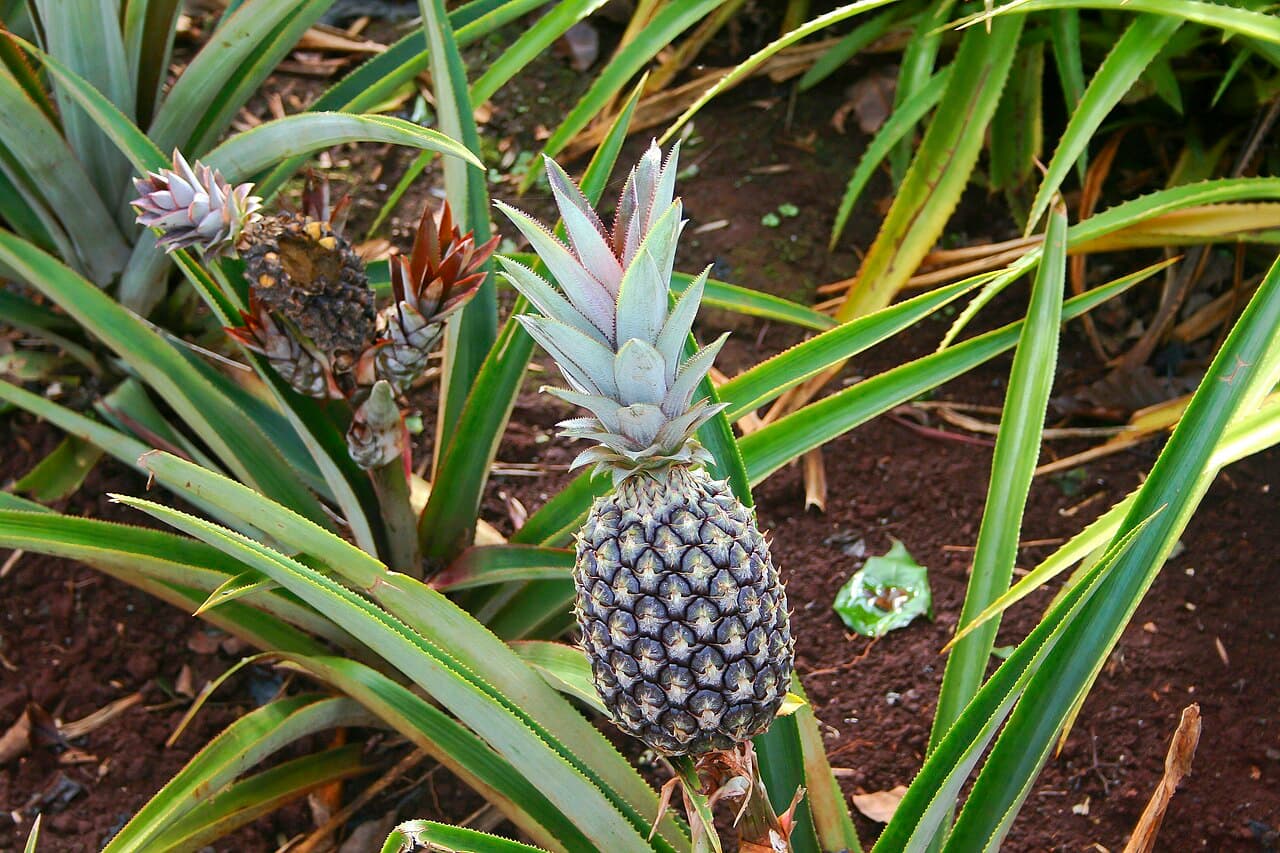
Few images say 'Hawaiʻi' faster than a golden pineapple, yet the fruit is neither native to the islands nor as central to daily life as the postcards suggest. Its story is one of plantations, aggressive 20th-century marketing, and an industry that shaped Hawaiian land, labor and identity for a century.
From Field to Icon
At its peak, Hawaiʻi supplied a huge share of the world's canned pineapple, with vast plantations reshaping islands like Lānaʻi, once known as the Pineapple Isle. The fruit's wholesome image was carefully manufactured, even as the labor behind it told a more complicated story.
Where It Stands Today
Large-scale plantation pineapple has largely moved overseas, but boutique growers and roadside stands keep fresh island pineapple alive, sweeter and juicier than any can. Visit a farm stand like the fictional Kula Gold Pineapple Stand for fruit picked ripe, and taste why the real thing outshines the icon.
The pineapple sold the world an image of Hawaiʻi — the truth behind the fruit is far more interesting.
Good to Know
- Pineapple is not native to Hawaiʻi
- Lānaʻi was once called the Pineapple Isle
- Most plantation production has moved overseas
- Fresh island pineapple far outshines the canned kind
It is honest, generous food — the kind that tastes like the place it comes from.
More stories to read
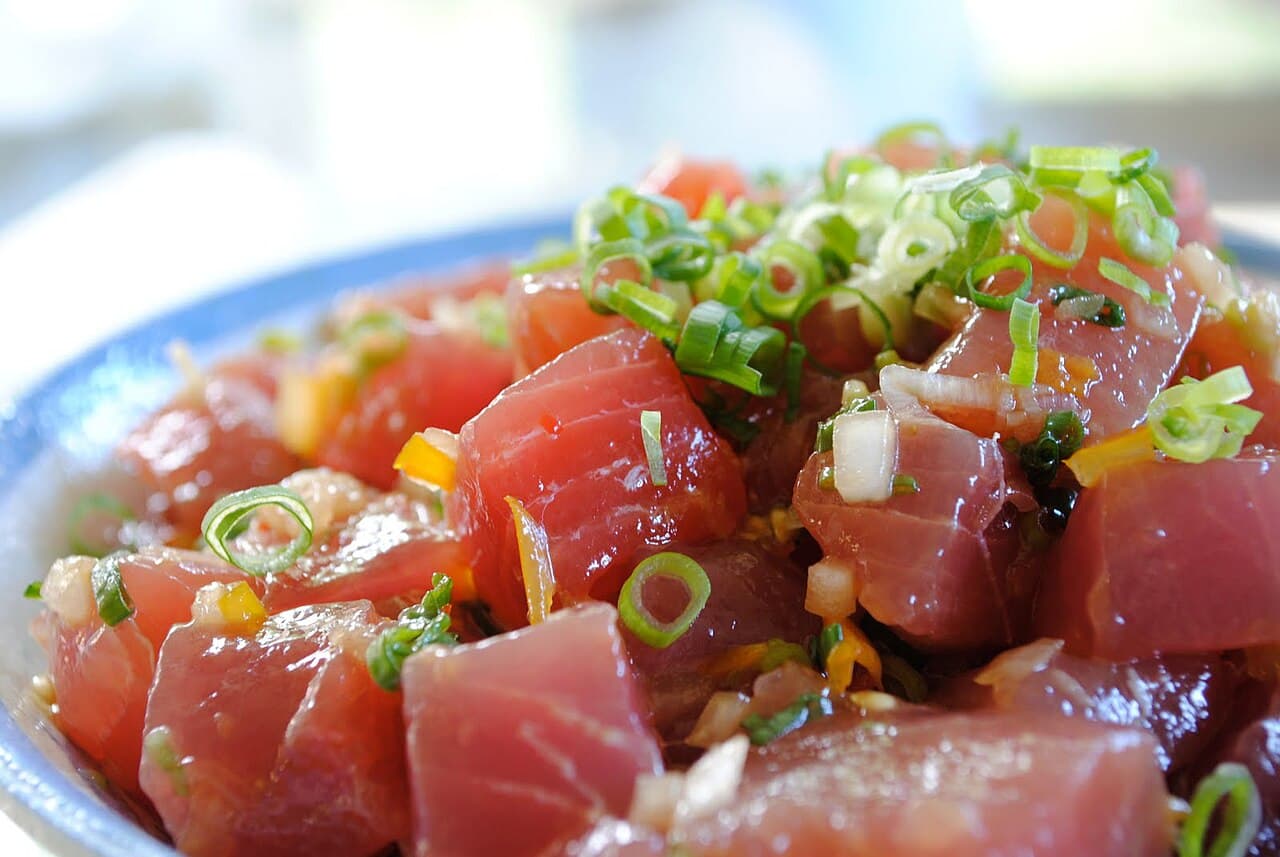
The Poke Revolution: How Hawaiʻi's Humble Fish Bowl Conquered the World
Cubed raw fish, shoyu, sea salt and a bowl of rice — poke is Hawaiʻi's gift to the global table, and it started long before the mainland caught on.

Garlic, Butter and a Paper Plate: The North Shore Shrimp Truck Trail
Sizzling garlic shrimp served from roadside trucks has become an essential, buttery ritual of any Oʻahu North Shore day.

Sweet Bread and Soft Rolls: Hawaiʻi's Portuguese Baking Legacy
Pillowy, faintly sweet and golden-crusted, Hawaiian sweet bread is another delicious gift from the islands' Portuguese community.