Malasadas: The Portuguese Doughnut That Became a Hawaiian Obsession
Fried golden, rolled in sugar and best eaten warm, the malasada is Hawaiʻi's most irresistible sweet import.
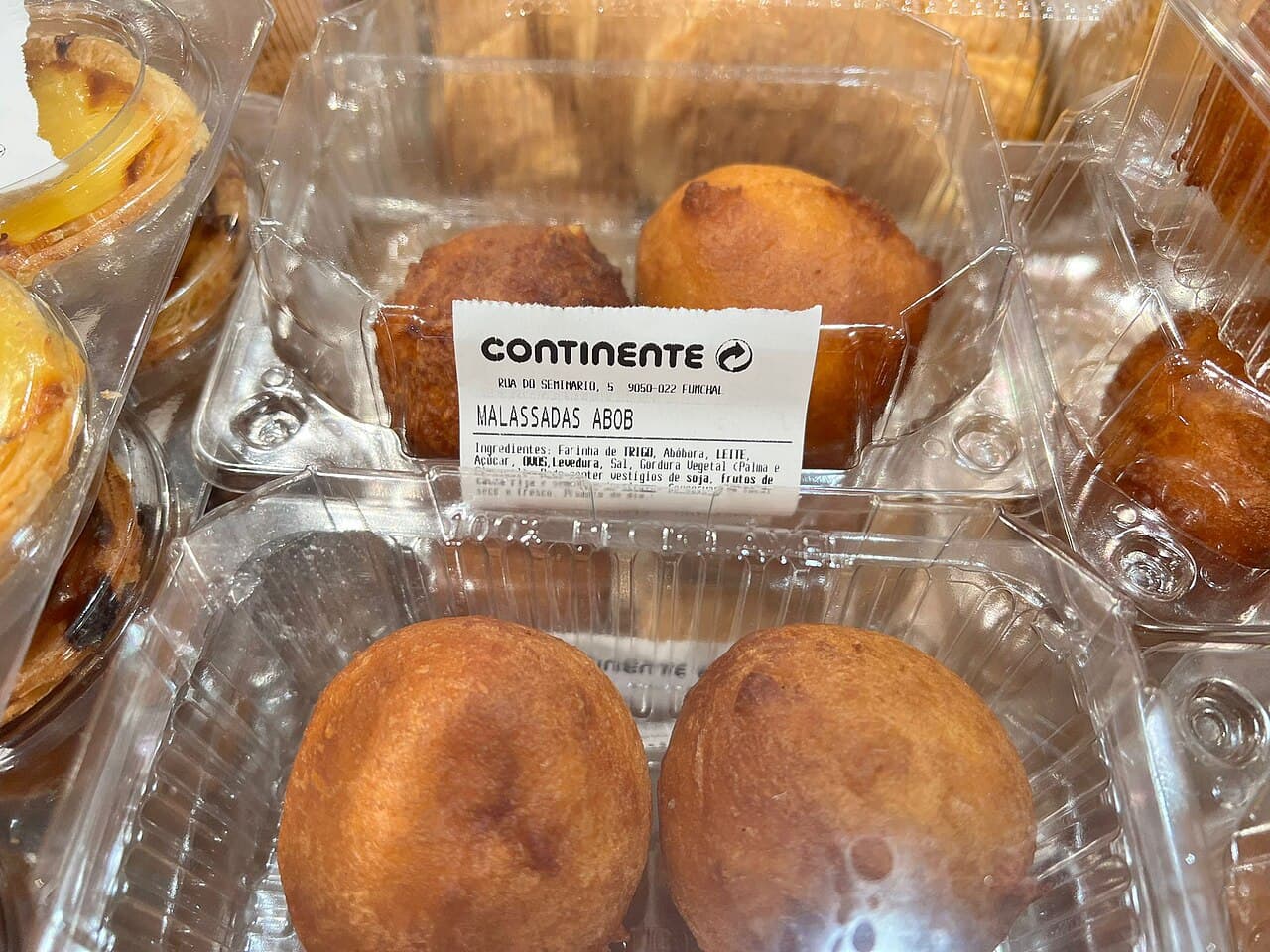
Bite into a fresh malasada and you understand the lines outside island bakeries: a yeasty, eggless doughnut fried until golden, rolled in granulated sugar, and served so warm it nearly burns your fingers. Brought to Hawaiʻi by Portuguese plantation workers, this humble pastry has become a genuine island obsession.
A Sweet Immigrant Story
Portuguese laborers arriving in the 19th century brought the tradition of frying up malasadas to use rich ingredients before Lent — a custom that lives on in Hawaiʻi's Malasada Day. Today bakeries fry them by the thousand, and a spot like the fictional Punchbowl Bakehouse can sell out before noon.
Plain or Filled
Purists insist on the plain sugar-dusted original, eaten within minutes of frying. Modern shops tempt with fillings — haupia, lilikoʻi custard, chocolate, guava — piped into the center. Either way, the rule is the same: eat them hot, because a cold malasada is a sad malasada.
A warm malasada is a small miracle; a cold one is just a doughnut with regrets.
On the Plate
- A Portuguese import, fried fresh and rolled in sugar
- Fillings: haupia, lilikoʻi, chocolate, guava
- Celebrated on Hawaiʻi's beloved Malasada Day
- Always, always eat them warm
Order a second helping. On these islands, a good plate is meant to be shared.
More stories to read
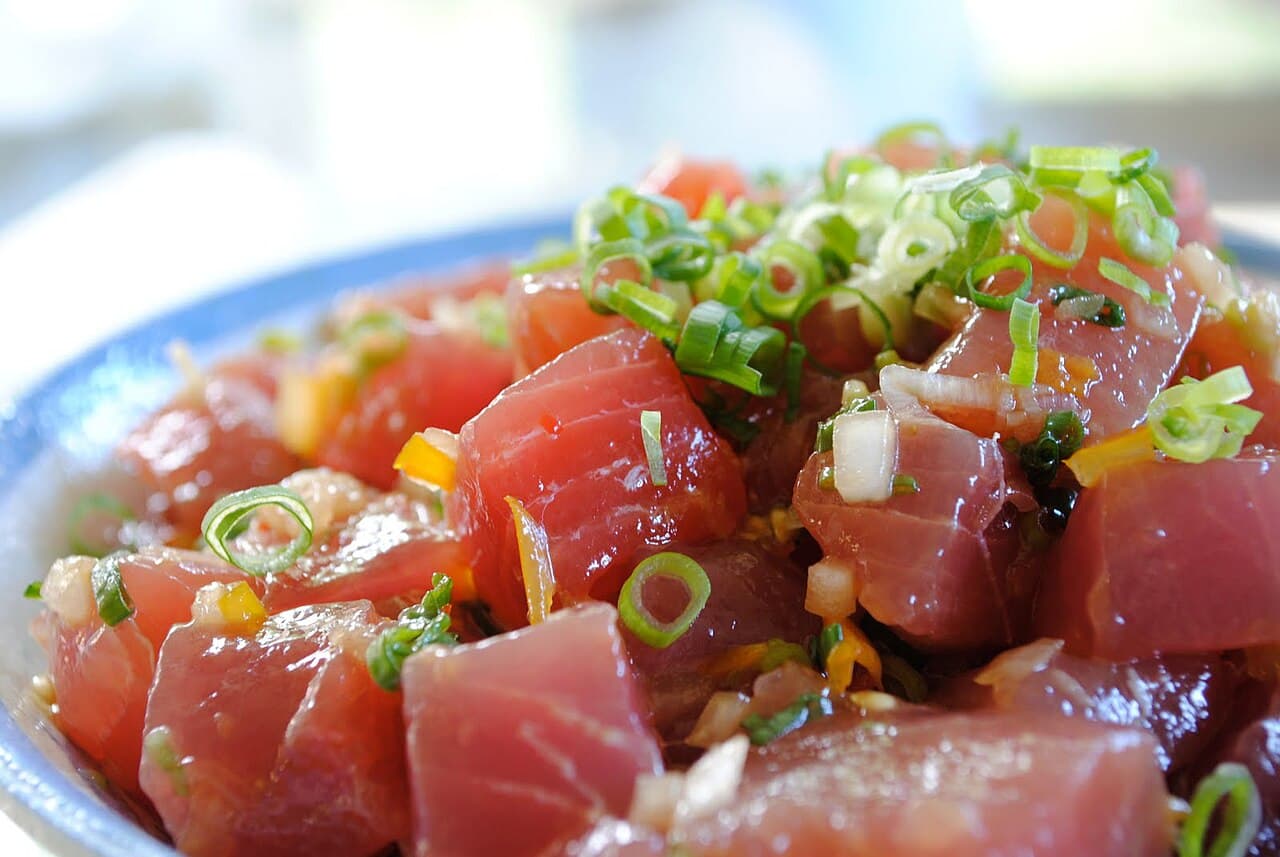
The Poke Revolution: How Hawaiʻi's Humble Fish Bowl Conquered the World
Cubed raw fish, shoyu, sea salt and a bowl of rice — poke is Hawaiʻi's gift to the global table, and it started long before the mainland caught on.

Garlic, Butter and a Paper Plate: The North Shore Shrimp Truck Trail
Sizzling garlic shrimp served from roadside trucks has become an essential, buttery ritual of any Oʻahu North Shore day.

Sweet Bread and Soft Rolls: Hawaiʻi's Portuguese Baking Legacy
Pillowy, faintly sweet and golden-crusted, Hawaiian sweet bread is another delicious gift from the islands' Portuguese community.