Loco Moco: The Big Island Comfort Bowl That Defies All Restraint
Rice, a hamburger patty, a fried egg and a flood of brown gravy — loco moco is Hawaiian comfort food at its most gloriously unapologetic.
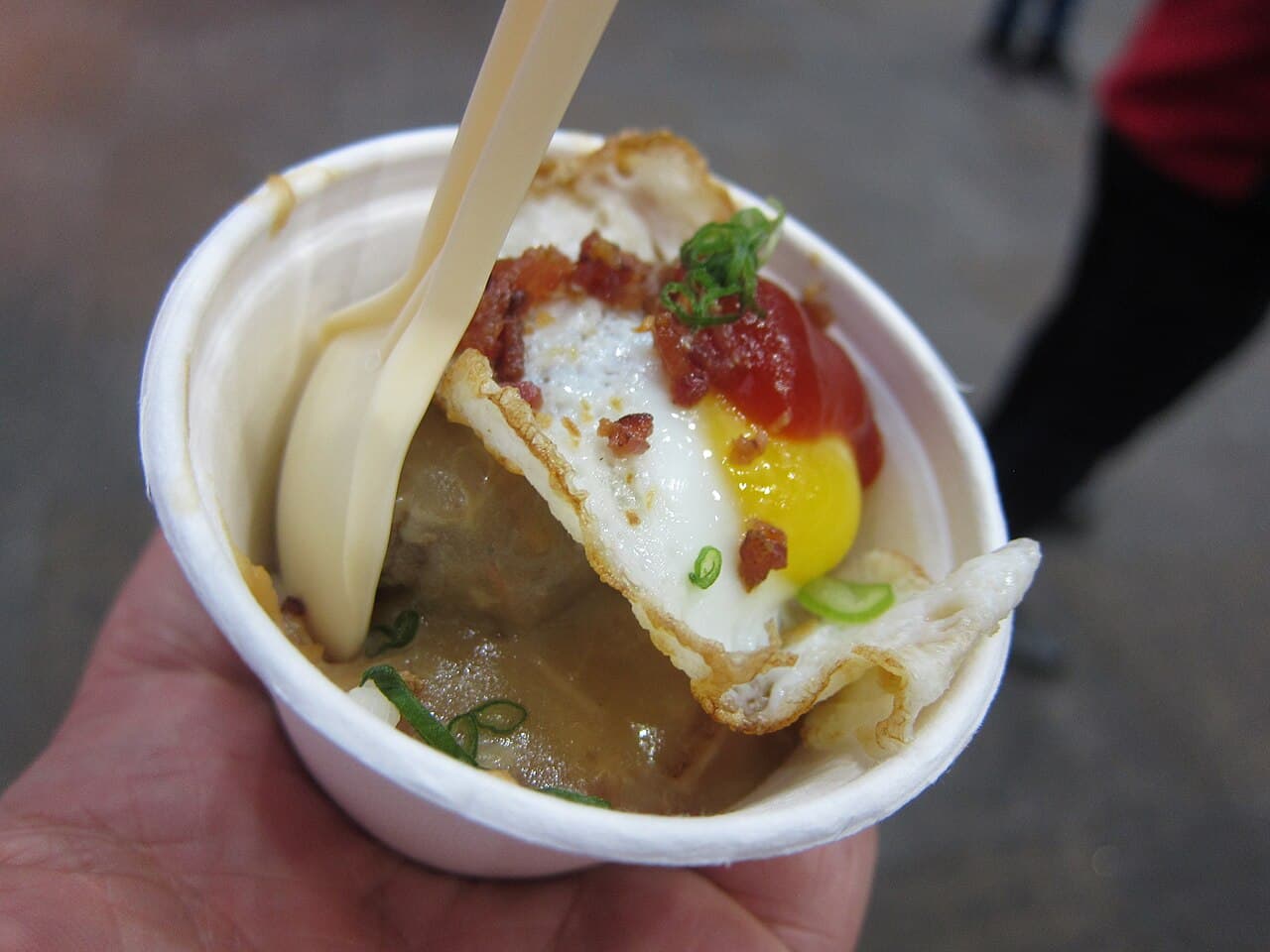
Legend traces the loco moco to 1949 Hilo, where hungry teenagers wanted something cheap, filling and fast. What they got became an institution: a bed of white rice, a hamburger patty, a fried egg with a runny yolk, and a ladle of brown gravy over everything. It is not elegant, and it was never meant to be.
A Bowl With a Backstory
The Big Island still claims the loco moco as its own, and diners across the islands have riffed endlessly on the theme — swapping in Spam, kalua pork, or teriyaki, and piling on extra eggs. At the fictional Hilo Bay Diner, regulars order it for breakfast, lunch and, defiantly, dinner.
How to Eat It
There is no graceful way to eat a loco moco, and that is part of the joy: break the yolk, cut through the patty, and let the gravy pull it all together. Pair it with a cold drink and clear your afternoon, because a proper loco moco is a commitment.
The loco moco was invented to feed broke, hungry kids — and it has been comforting Hawaiʻi ever since.
On the Plate
- The core: rice, hamburger patty, fried egg, brown gravy
- Said to have originated in Hilo in 1949
- Common riffs swap in Spam, kalua pork or teriyaki
- Break the yolk and let the gravy do the rest
Bring an appetite and an open mind; the islands reward both.
More stories to read
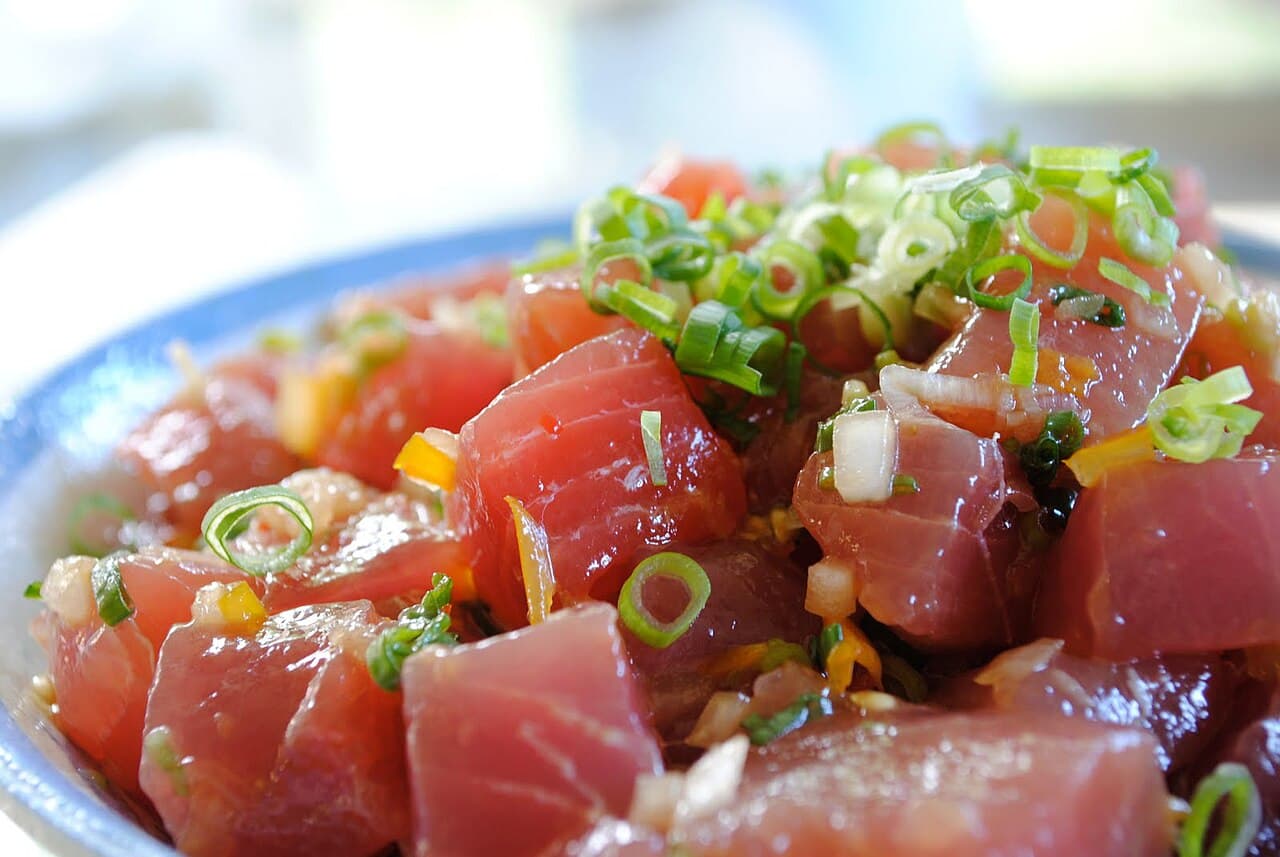
The Poke Revolution: How Hawaiʻi's Humble Fish Bowl Conquered the World
Cubed raw fish, shoyu, sea salt and a bowl of rice — poke is Hawaiʻi's gift to the global table, and it started long before the mainland caught on.

Garlic, Butter and a Paper Plate: The North Shore Shrimp Truck Trail
Sizzling garlic shrimp served from roadside trucks has become an essential, buttery ritual of any Oʻahu North Shore day.

Sweet Bread and Soft Rolls: Hawaiʻi's Portuguese Baking Legacy
Pillowy, faintly sweet and golden-crusted, Hawaiian sweet bread is another delicious gift from the islands' Portuguese community.