By Hand, With Aloha: The Enduring Craft of Lei Making
Behind every lei lies hours of patient work and generations of knowledge about which flowers, leaves and techniques to use.
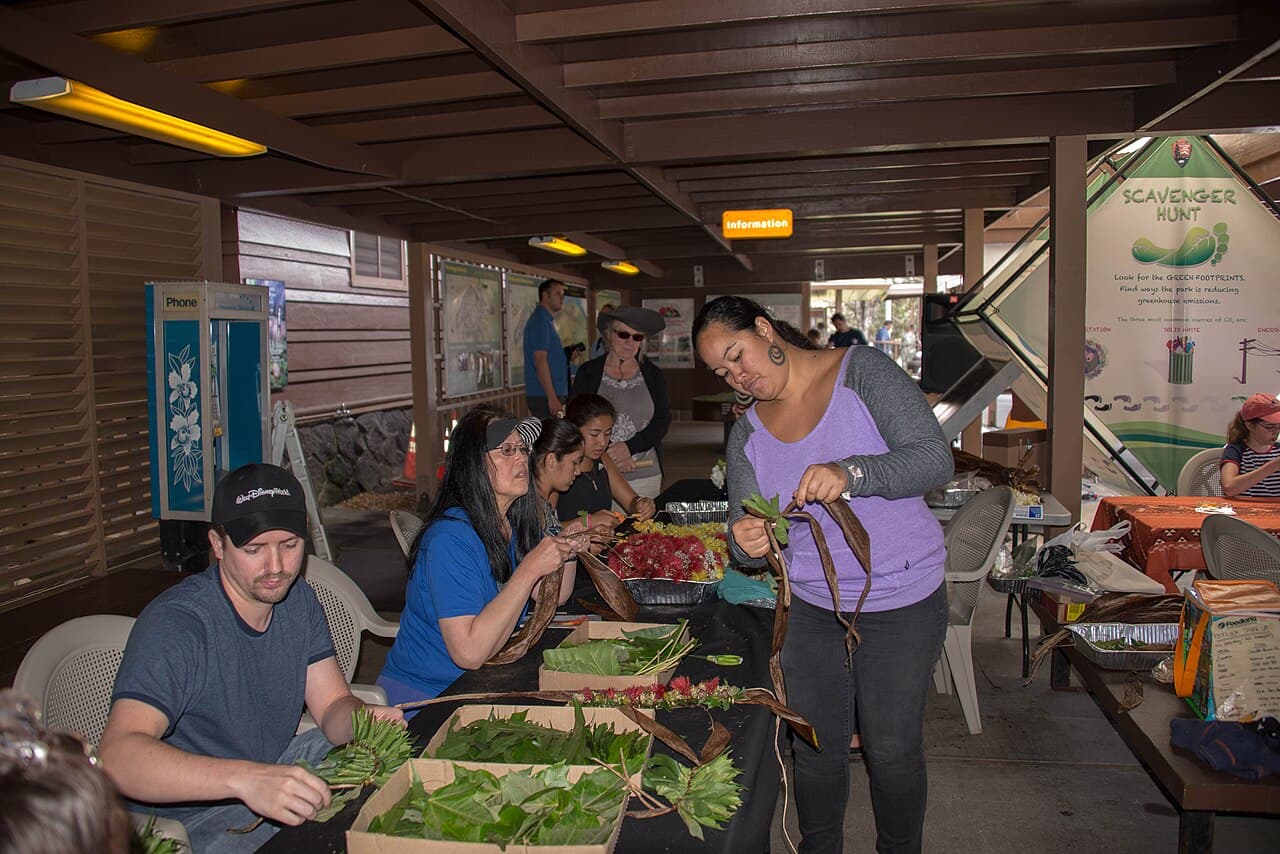
The lei you receive so casually represents a craft of real depth. Lei makers, or those skilled in the art of lei hulu and flower lei alike, draw on generations of knowledge — which blossoms hold up in the heat, how to string a plumeria versus braid a maile, and which materials suit a wedding, a graduation or a chief.
Many Methods, Many Materials
Techniques range from the simple kui, stringing flowers through the center, to the intricate wili winding and haku braiding used for head lei. Beyond flowers, artisans work with fragrant leaves, ferns, seeds, shells and feathers, each demanding its own skill and patience.
Learning the Art
Community centers, cultural festivals and some resorts offer lei-making classes where visitors can try their hand and gain new respect for the craft. Making your own lei — and giving it away — is a small, genuine way to participate in the culture rather than merely consume it.
Anyone can buy a lei; making one by hand is how you learn what it really means to give aloha.
Good to Know
- Kui lei are strung; haku lei are braided
- Materials include flowers, leaves, seeds and shells
- Different occasions call for different lei
- Classes let visitors learn the craft firsthand
Learn a little, listen a lot, and the culture opens like a flower.
More stories to read
The Language of Hula: How Hawaiʻi Dances Its History
Far more than a tourist spectacle, hula is a sacred art that preserves the stories, genealogy and spirit of the Hawaiian people.

Pele's Domain: Volcanoes, Legend and the Living Land of Hawaiʻi
On the Big Island, the goddess Pele is not a myth of the past but a presence felt every time the earth glows red.

Finding the Way: Hōkūleʻa and the Rebirth of Hawaiian Voyaging
A double-hulled canoe sailing by the stars rekindled a nation's pride and proved the genius of Polynesian navigation.