Grown in the Clouds: What Makes Kona Coffee Worth the Price
On the misty slopes of the Big Island's Kona coast, a narrow belt of volcanic land produces some of the world's most sought-after coffee.
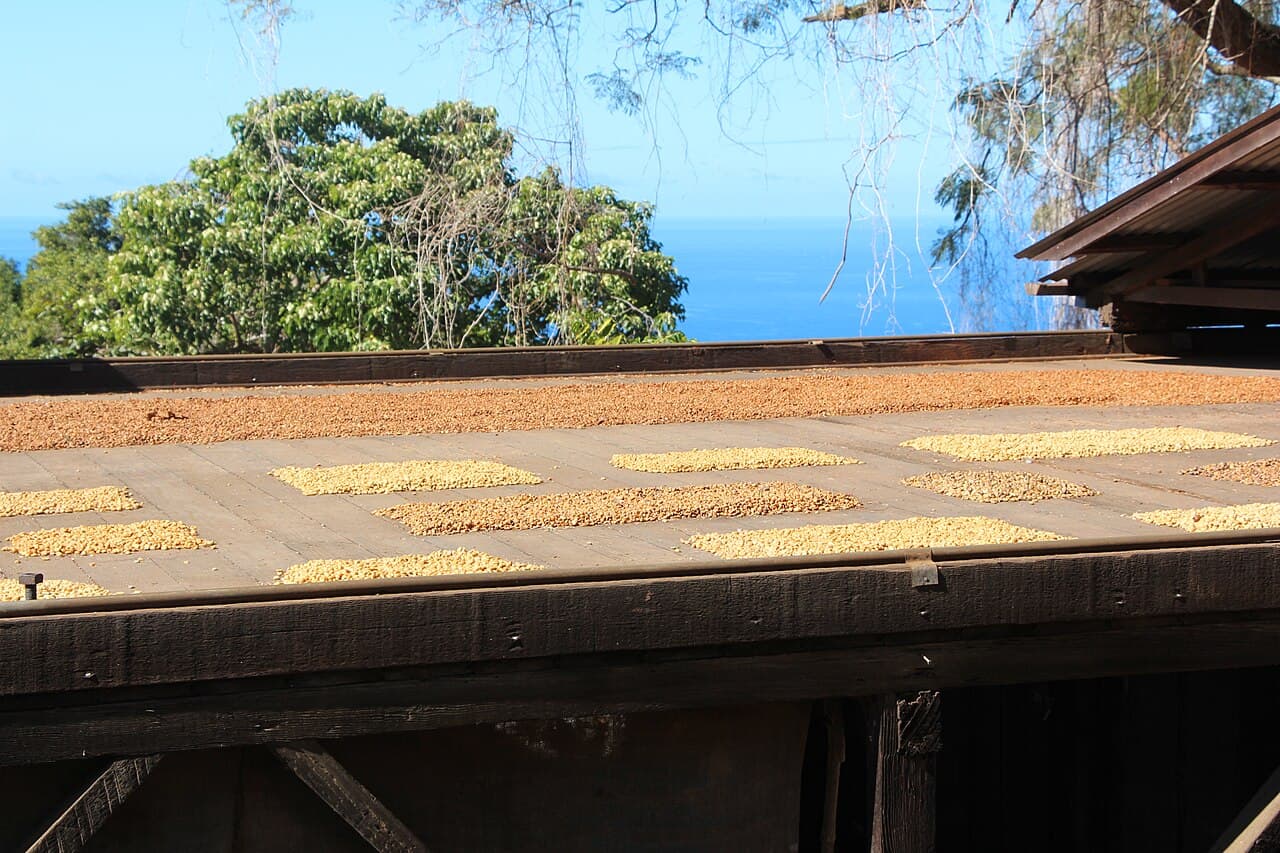
On the upcountry slopes of the Big Island's Kona district, a slender strip of land does something remarkable: it grows coffee prized around the world. The combination of rich volcanic soil, sunny mornings, cloudy afternoons and just-right elevation creates a microclimate that coffee lovers travel across oceans to taste.
A True Origin
Genuine Kona coffee comes only from this small, legally defined region, which is why it commands premium prices and why cheaper 'Kona blends' contain very little of the real thing. Small family farms still hand-pick the cherries, and a visit to a working estate like the fictional Cloudline Kona Farm reveals just how labor-intensive the process is.
Buying the Real Thing
To be sure you are getting authentic Kona, look for '100% Kona' on the label rather than 'Kona blend.' Tour a farm if you can, taste before you buy, and treat the higher price as the cost of a genuinely rare, place-specific crop.
There's coffee, and then there's Kona — a taste of one small, cloud-wrapped slope of the Big Island.
Good to Know
- True Kona grows only in a small Big Island region
- Look for '100% Kona,' not 'Kona blend'
- Volcanic soil and elevation create the flavor
- Farm tours reveal the hand-picked harvest
It is honest, generous food — the kind that tastes like the place it comes from.
More stories to read
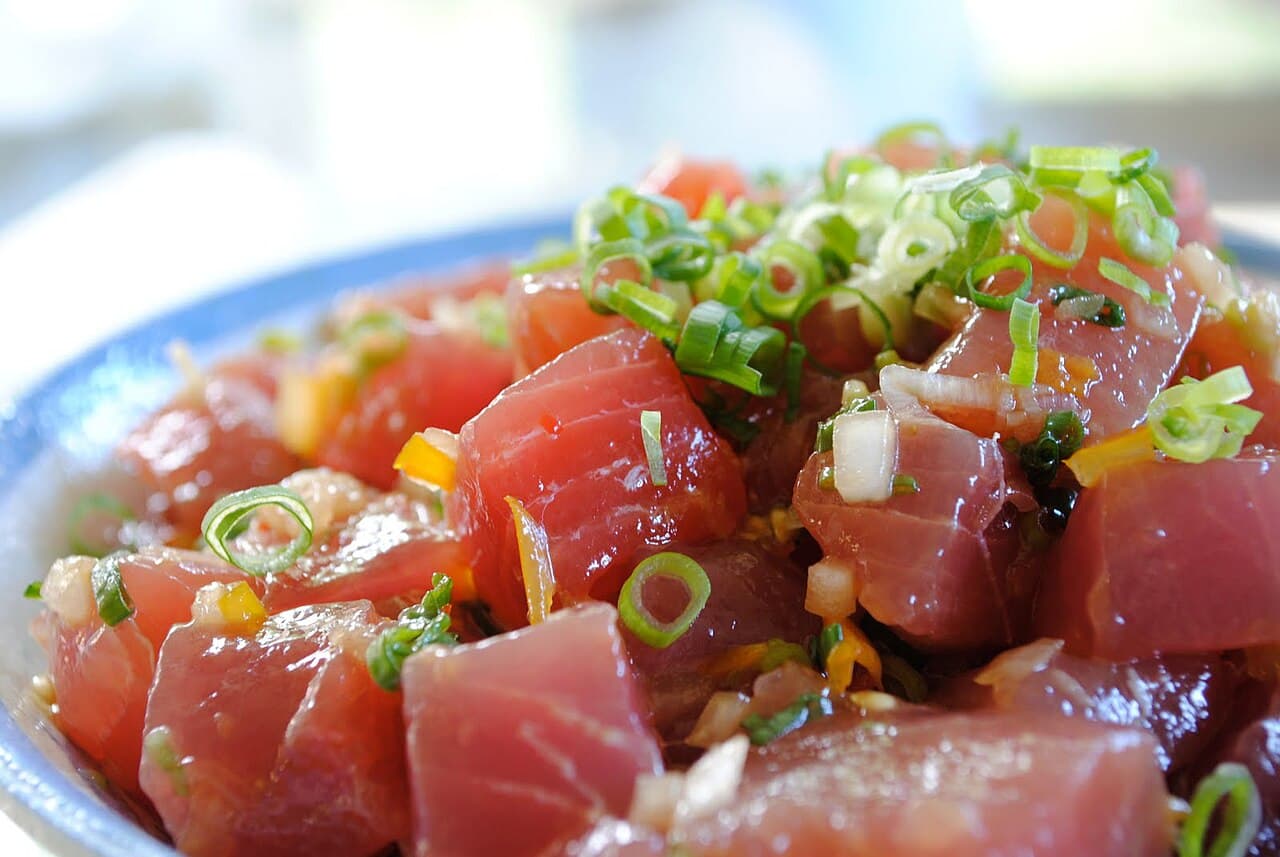
The Poke Revolution: How Hawaiʻi's Humble Fish Bowl Conquered the World
Cubed raw fish, shoyu, sea salt and a bowl of rice — poke is Hawaiʻi's gift to the global table, and it started long before the mainland caught on.

Garlic, Butter and a Paper Plate: The North Shore Shrimp Truck Trail
Sizzling garlic shrimp served from roadside trucks has become an essential, buttery ritual of any Oʻahu North Shore day.

Sweet Bread and Soft Rolls: Hawaiʻi's Portuguese Baking Legacy
Pillowy, faintly sweet and golden-crusted, Hawaiian sweet bread is another delicious gift from the islands' Portuguese community.