Writing in Stone: The Ancient Petroglyphs of Hawaiʻi
Carved into lava fields across the islands, Hawaiʻi's kiʻi pōhaku are enigmatic messages from the people who came before.
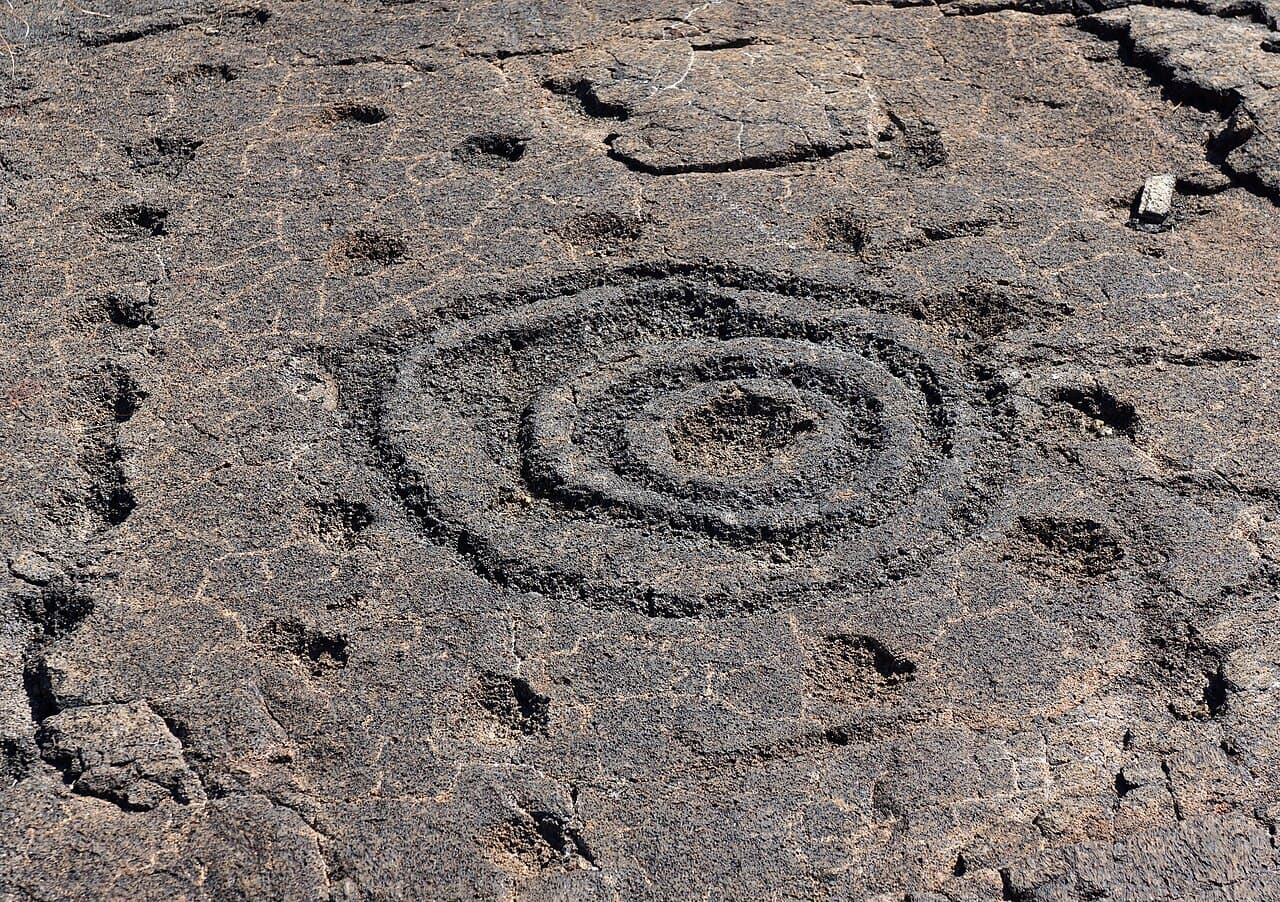
Across Hawaiʻi's hardened lava flows, ancient hands left thousands of carvings — human figures, paddlers, animals, circles and cryptic symbols pecked into the stone. Known as kiʻi pōhaku, these petroglyphs are among the islands' most haunting cultural treasures, and their full meaning remains, in many cases, a mystery.
Fields of Figures
Major petroglyph fields, such as those at Puʻuloa in Hawaiʻi Volcanoes National Park, hold thousands of images spanning centuries. Some are thought to mark births, journeys or genealogies; the holes drilled at Puʻuloa are traditionally linked to the placing of a newborn's umbilical cord for a long life.
Visiting With Respect
These sites are sacred and irreplaceable, and even light touch or chalk can damage the carvings. Stay on marked boardwalks and trails, never make rubbings or add your own marks, and photograph rather than touch — you are a guest among the works of the ancestors.
Nobody fully reads the petroglyphs anymore — but standing among them, you feel the ancestors trying to speak.
Good to Know
- Kiʻi pōhaku are carved into hardened lava
- Puʻuloa holds thousands of images
- Stay on boardwalks; never touch or make rubbings
- Many meanings remain unknown today
It is a living tradition, carried forward by the people who call these islands home.
More stories to read

The Language of Hula: How Hawaiʻi Dances Its History
Far more than a tourist spectacle, hula is a sacred art that preserves the stories, genealogy and spirit of the Hawaiian people.

Pele's Domain: Volcanoes, Legend and the Living Land of Hawaiʻi
On the Big Island, the goddess Pele is not a myth of the past but a presence felt every time the earth glows red.

Finding the Way: Hōkūleʻa and the Rebirth of Hawaiian Voyaging
A double-hulled canoe sailing by the stars rekindled a nation's pride and proved the genius of Polynesian navigation.