Slack Key and Sweet Falsetto: The Living Sound of Hawaiian Music
From the gentle ring of slack-key guitar to soaring falsetto voices, Hawaiian music carries the emotion of the islands.

Hawaiian music is instantly recognizable and deeply felt: the shimmering open tunings of kī hōʻalu, or slack-key guitar, the plaintive slide of the steel guitar, and the distinctive leo kiʻekiʻe, the high falsetto voice that breaks between registers. Together they form a sound as evocative of the islands as the scent of plumeria.
Roots and Revival
Slack-key guitar developed when Hawaiian cowboys, the paniolo, adapted the guitar to their own tunings in the 19th century, passing techniques down within families. A cultural renaissance from the 1970s onward brought renewed pride in Hawaiian-language songs and traditional styles that thrive today.
Where to Hear It
Live music fills the islands, from slack-key concerts and hotel lounges to backyard kanikapila jam sessions among friends. Seek out a dedicated Hawaiian music show rather than generic resort background music, and you will hear the genre's genuine warmth and virtuosity.
Slack key sounds like the islands exhaling — gentle, open and impossibly at ease.
Good to Know
- Kī hōʻalu is Hawaiian slack-key guitar
- Falsetto (leo kiʻekiʻe) is a signature vocal style
- Slack key grew from paniolo (cowboy) traditions
- Kanikapila are informal backyard jam sessions
Learn a little, listen a lot, and the culture opens like a flower.
More stories to read
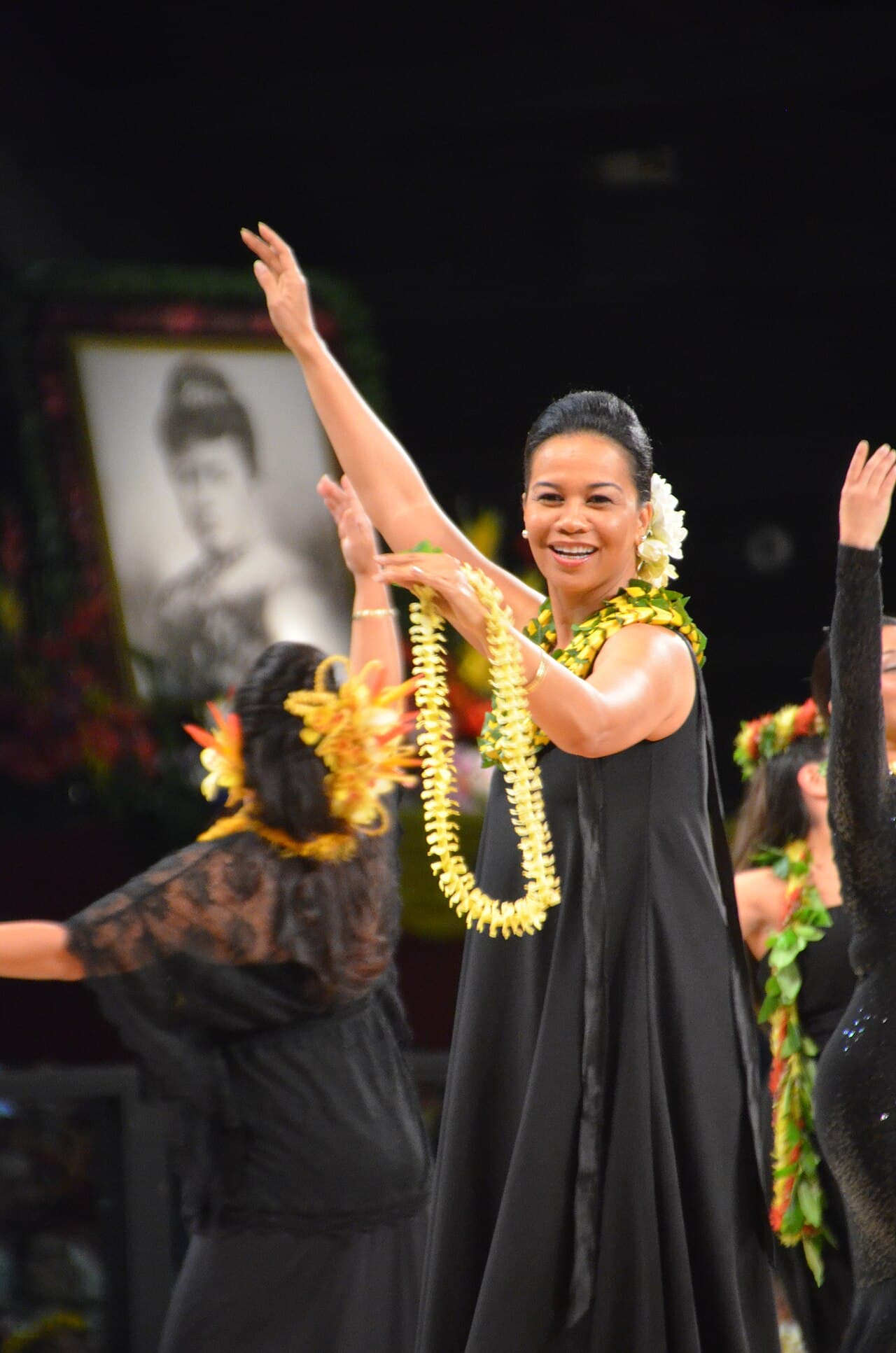
The Language of Hula: How Hawaiʻi Dances Its History
Far more than a tourist spectacle, hula is a sacred art that preserves the stories, genealogy and spirit of the Hawaiian people.

Pele's Domain: Volcanoes, Legend and the Living Land of Hawaiʻi
On the Big Island, the goddess Pele is not a myth of the past but a presence felt every time the earth glows red.

Finding the Way: Hōkūleʻa and the Rebirth of Hawaiian Voyaging
A double-hulled canoe sailing by the stars rekindled a nation's pride and proved the genius of Polynesian navigation.