More Than a Garland: The Deep Meaning of the Hawaiian Lei
A lei is never just a string of flowers — it is affection, respect and aloha made tangible and placed around the neck.
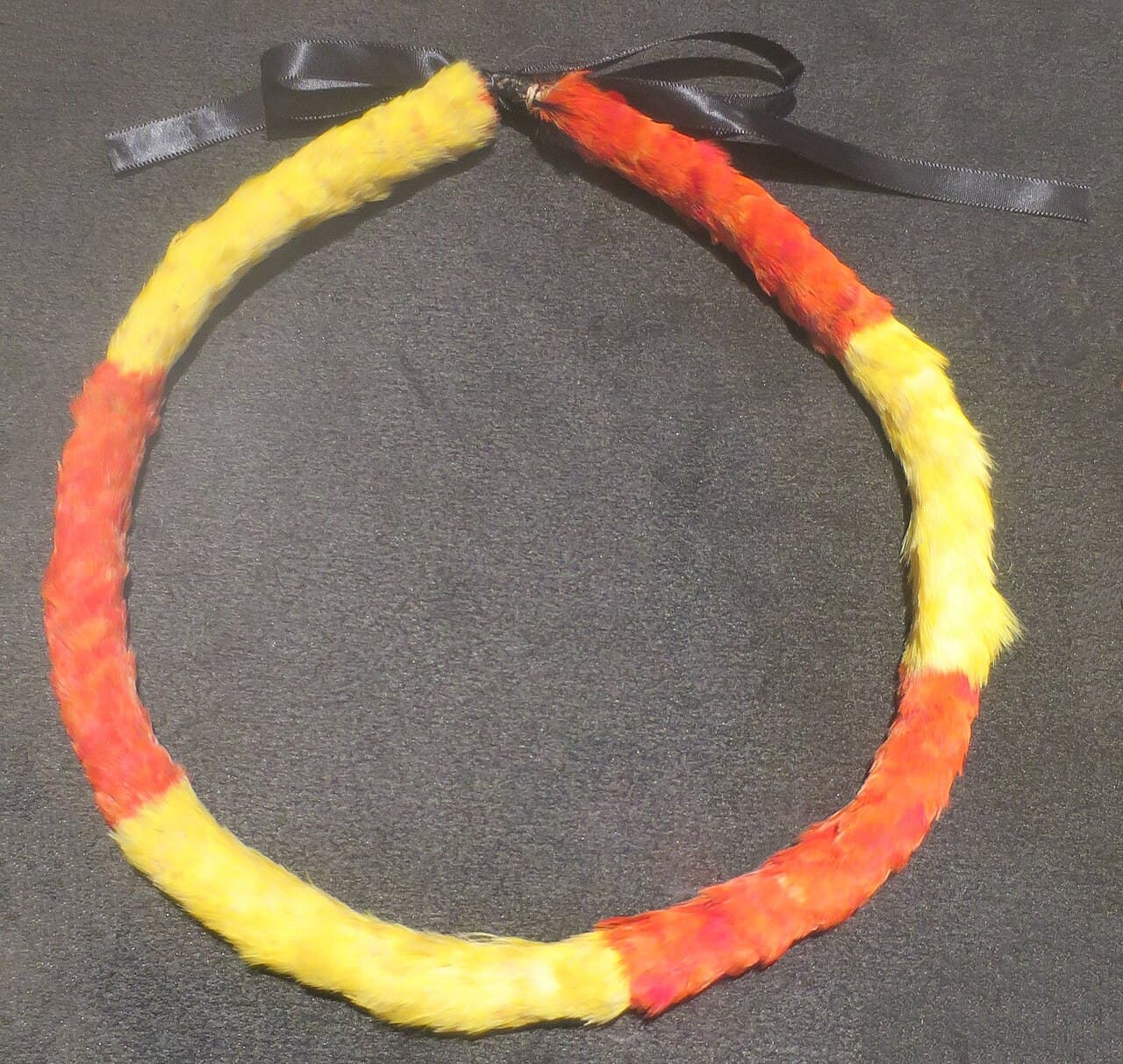
The moment a fragrant lei is draped over your shoulders, you are participating in one of Hawaiʻi's most enduring customs. Far more than a souvenir, the lei is a physical expression of aloha — given to mark arrivals and farewells, birthdays and graduations, weddings and funerals, love and respect.
Woven With Intent
Lei can be made from flowers, leaves, seeds, shells, feathers or nuts, each material and island carrying its own associations. The plumeria lei of the tourist image is only one of many; a maile lei of fragrant leaves, for instance, holds special significance at weddings and honors.
Giving and Receiving
Custom asks that you accept a lei graciously and never refuse one, as it is offered with genuine affection. Wear it draped evenly front and back, avoid tossing it in the trash in front of the giver, and return the natural materials to the earth when it fades rather than discarding them carelessly.
To give a lei is to give aloha — and to refuse one is to refuse the heart offered with it.
Good to Know
- Lei mark milestones from birth to farewell
- Materials range from flowers to shells and feathers
- Accept a lei graciously; never refuse one
- Return natural materials to the earth when it fades
Learn a little, listen a lot, and the culture opens like a flower.
More stories to read
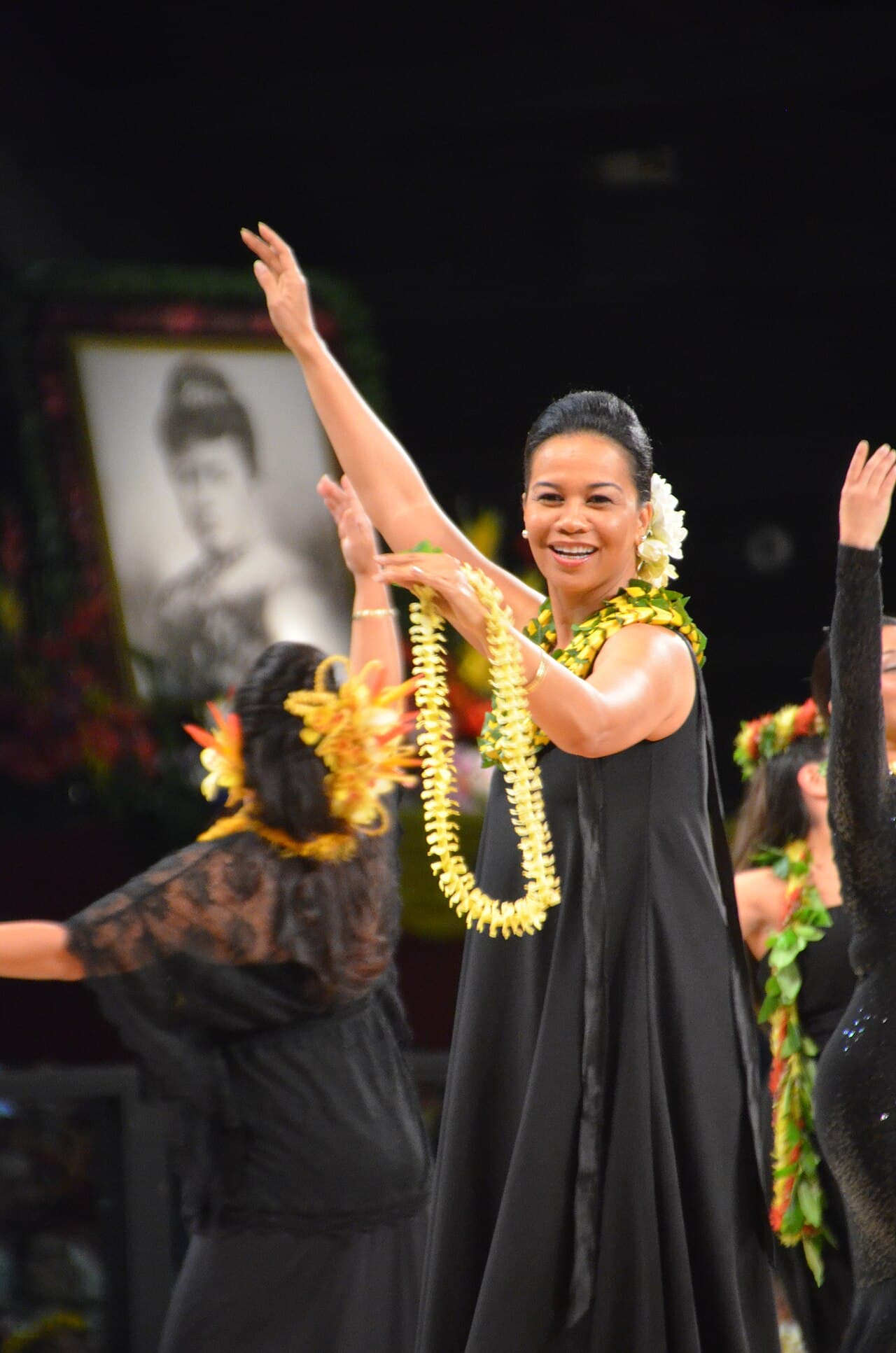
The Language of Hula: How Hawaiʻi Dances Its History
Far more than a tourist spectacle, hula is a sacred art that preserves the stories, genealogy and spirit of the Hawaiian people.

Pele's Domain: Volcanoes, Legend and the Living Land of Hawaiʻi
On the Big Island, the goddess Pele is not a myth of the past but a presence felt every time the earth glows red.

Finding the Way: Hōkūleʻa and the Rebirth of Hawaiian Voyaging
A double-hulled canoe sailing by the stars rekindled a nation's pride and proved the genius of Polynesian navigation.