Temples of Stone: Understanding the Hawaiian Heiau
Massive stone platforms scattered across the islands, the heiau were the sacred temples at the center of old Hawaiian religion.
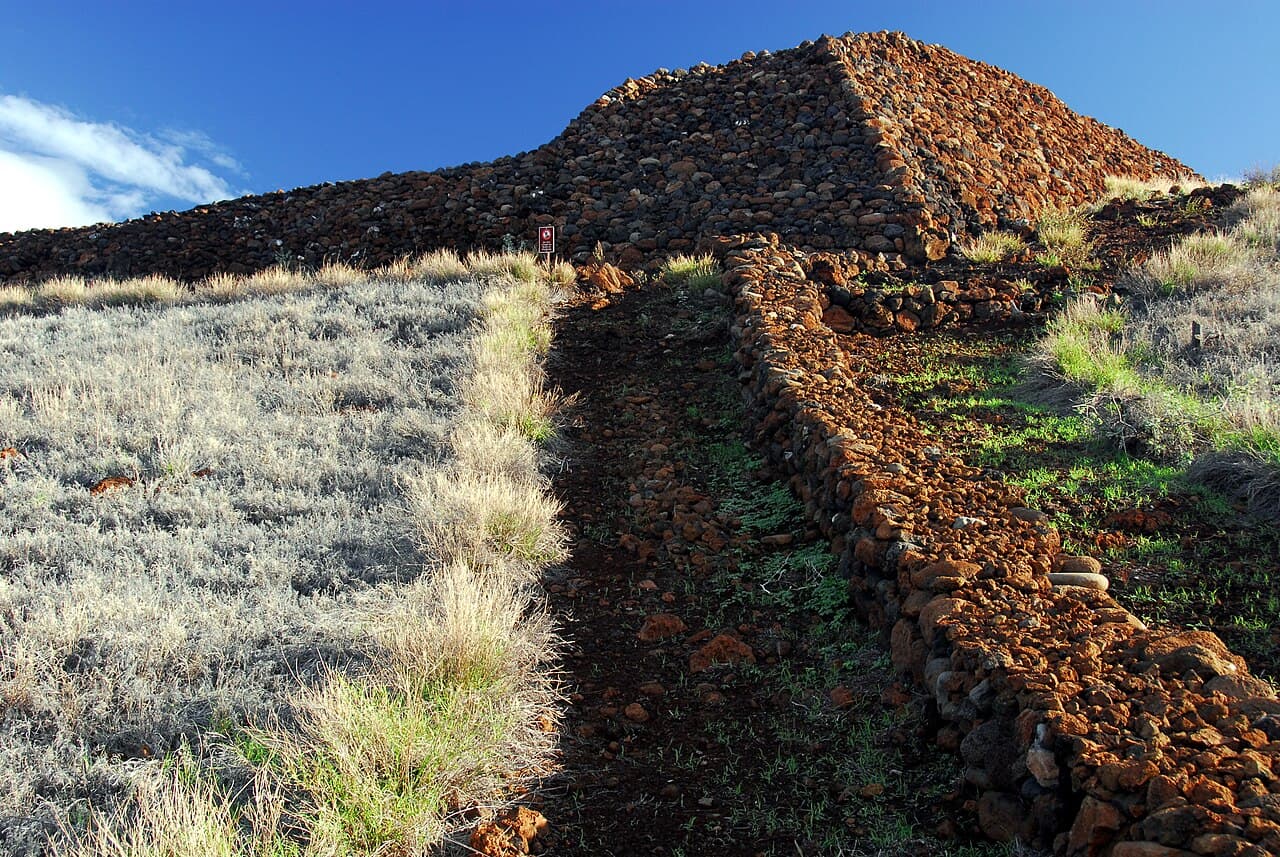
Long before churches rose in the islands, Hawaiians worshipped at the heiau — sacred temples built of stacked lava rock, ranging from modest fishing shrines to vast walled platforms where chiefs and priests conducted the most important rites. Their weathered stones still stand across Hawaiʻi, quietly powerful reminders of the old spiritual order.
Places of Power
Heiau served many purposes: some ensured good harvests or fishing, while the great luakini heiau were reserved for the highest rituals of war and state. Puʻukoholā Heiau on the Big Island, built by Kamehameha, is among the most significant and best preserved.
Sacred Ground Still
Many heiau remain wahi pana — storied, sacred sites — and are treated with reverence by Native Hawaiians today. Visit only where access is permitted, never move or stack stones, remove nothing, and keep a respectful demeanor, as these are not ruins but living places of spiritual meaning.
A heiau is not a ruin to be climbed on — it is a temple, and it is still sacred.
Good to Know
- Heiau are temples built of stacked lava rock
- Luakini heiau hosted the highest state rituals
- Puʻukoholā Heiau was built by Kamehameha
- Never move stones or remove anything from a heiau
To understand Hawaiʻi, start here — with the stories the islands tell about themselves.
More stories to read

The Language of Hula: How Hawaiʻi Dances Its History
Far more than a tourist spectacle, hula is a sacred art that preserves the stories, genealogy and spirit of the Hawaiian people.

Pele's Domain: Volcanoes, Legend and the Living Land of Hawaiʻi
On the Big Island, the goddess Pele is not a myth of the past but a presence felt every time the earth glows red.

Finding the Way: Hōkūleʻa and the Rebirth of Hawaiian Voyaging
A double-hulled canoe sailing by the stars rekindled a nation's pride and proved the genius of Polynesian navigation.