Cloaked in Feathers: The Sacred Regalia of Hawaiian Chiefs
Made from hundreds of thousands of tiny feathers, the ʻahu ʻula cape was among the most precious symbols of Hawaiian royalty.
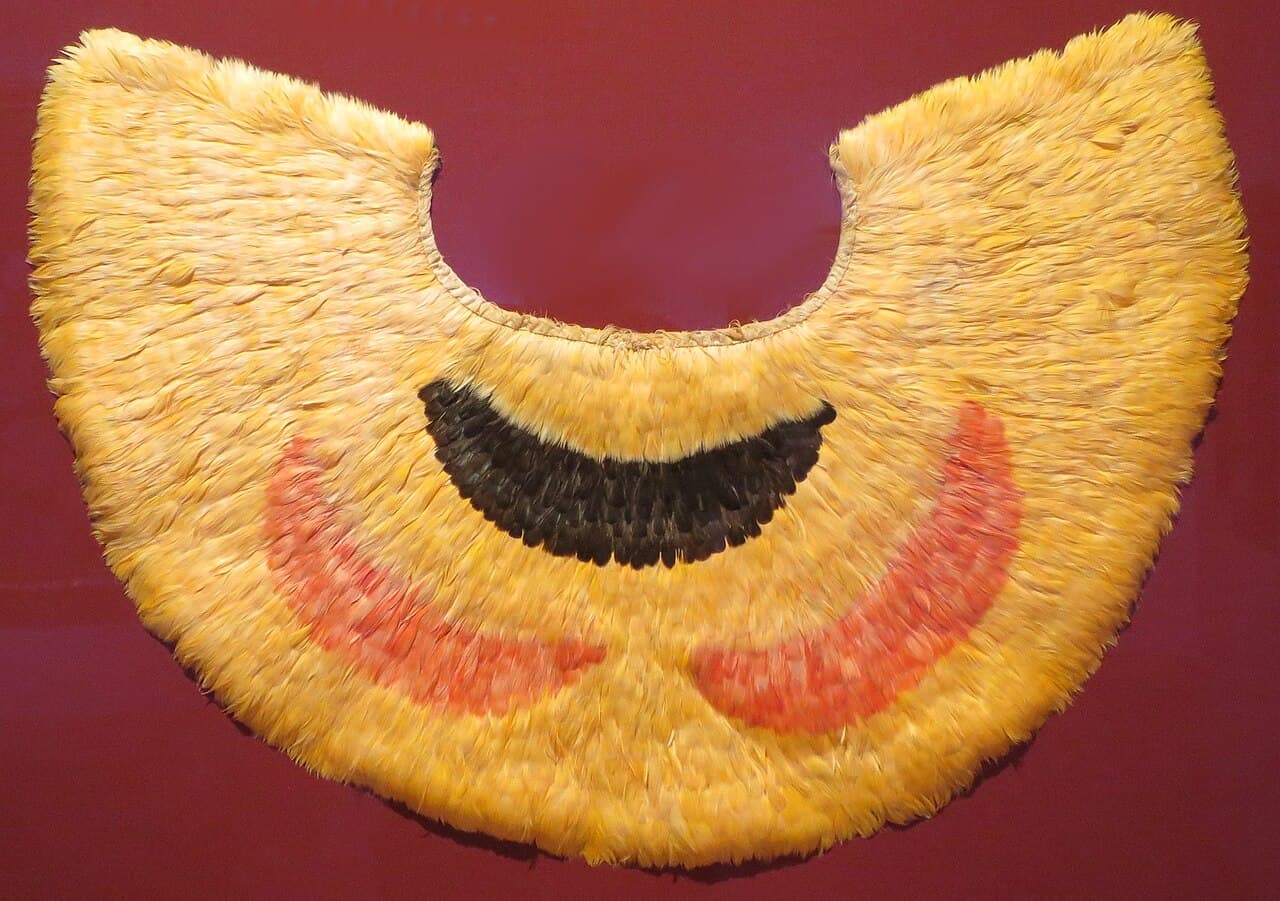
Among the most breathtaking objects in Hawaiian art are the feather cloaks and capes, the ʻahu ʻula, worn by high chiefs as emblems of rank and divine protection. Crafted from hundreds of thousands of tiny feathers gathered from forest birds, these garments represented staggering labor, wealth and mana — spiritual power.
A Craft of Devotion
Specialized bird catchers took prized red and yellow feathers, in many cases releasing the birds afterward, and artisans knotted them onto fine netting in intricate patterns. A single cloak could take years and the feathers of tens of thousands of birds, making it a treasure fit only for the highest aliʻi.
Where to See Them
Because many of the source birds are now extinct or endangered, surviving cloaks are irreplaceable and carefully preserved. The Bishop Museum in Honolulu holds a remarkable collection, where visitors can stand before these radiant symbols of a vanished courtly world.
A feather cloak held the labor of years and the mana of a chief — a treasure beyond price.
Good to Know
- The ʻahu ʻula signified rank and spiritual power
- Made from hundreds of thousands of tiny feathers
- A single cloak could take years to complete
- See fine examples at the Bishop Museum, Honolulu
To understand Hawaiʻi, start here — with the stories the islands tell about themselves.
More stories to read

The Language of Hula: How Hawaiʻi Dances Its History
Far more than a tourist spectacle, hula is a sacred art that preserves the stories, genealogy and spirit of the Hawaiian people.

Pele's Domain: Volcanoes, Legend and the Living Land of Hawaiʻi
On the Big Island, the goddess Pele is not a myth of the past but a presence felt every time the earth glows red.

Finding the Way: Hōkūleʻa and the Rebirth of Hawaiian Voyaging
A double-hulled canoe sailing by the stars rekindled a nation's pride and proved the genius of Polynesian navigation.