Life on the Lānai: How Hawaiʻi Perfected Indoor-Outdoor Living
More than a porch, the lānai is where island life actually happens — the true living room of the Hawaiian home.
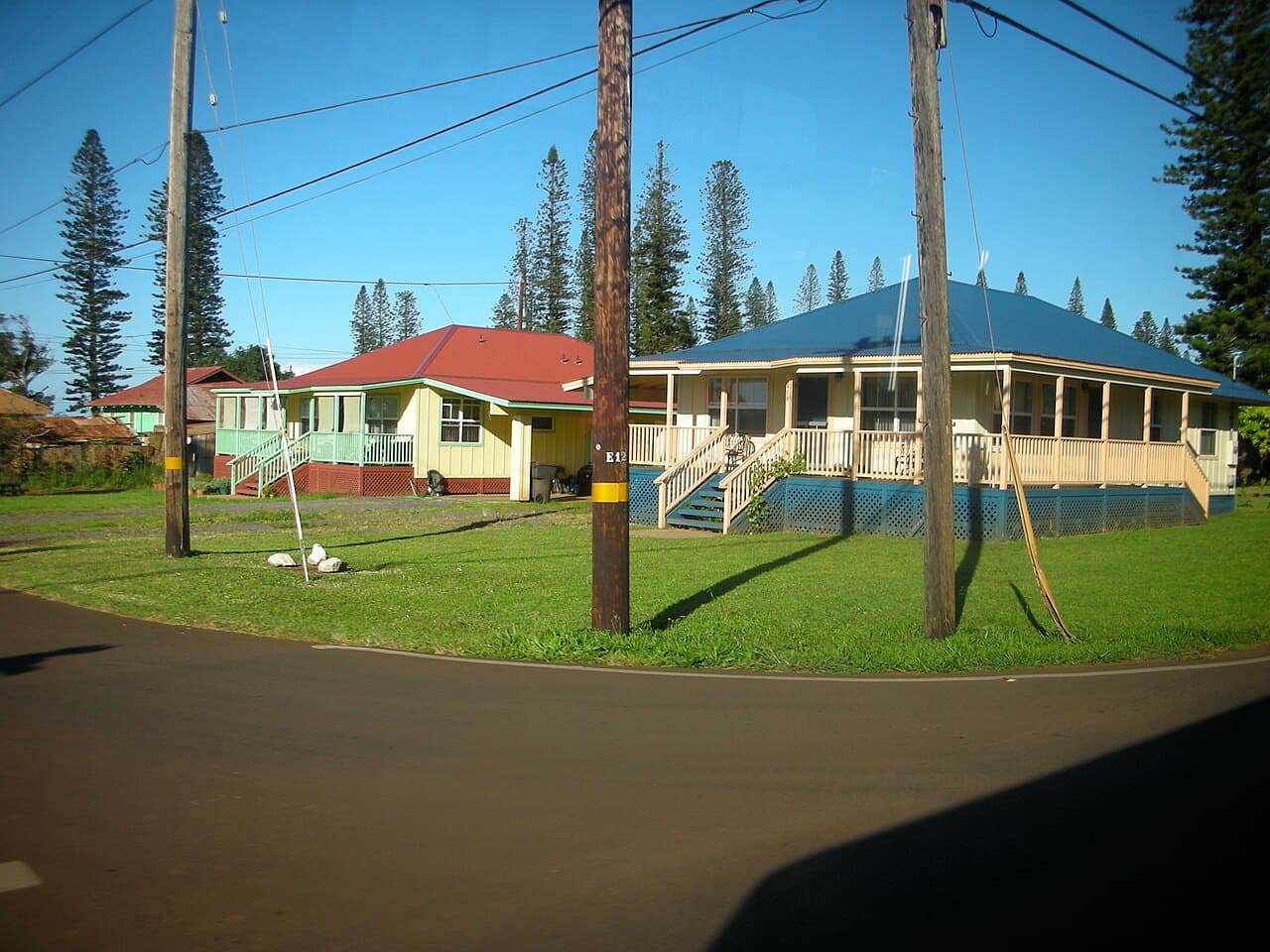
Ask anyone who lives in Hawaiʻi where they spend their time at home, and the answer is often the same: the lānai. This covered outdoor space — part porch, part veranda, part living room — is central to island life, blurring the line between inside and out in a climate that invites you to live in the open air year-round.
The Heart of the Home
Meals, gatherings, morning coffee and evening pau hana all migrate to the lānai, where trade winds and views do the entertaining. A good lānai is treated as serious living space, furnished for comfort and oriented to catch the breeze and the best of the scenery.
Designing for the Breeze
Whether it is a plantation porch or a high-rise balcony, the best lānai are shaded, ventilated and connected seamlessly to the interior through wide doors. For buyers and renters alike, the quality of the lānai is often as important as the kitchen — a lesson mainland transplants learn fast.
In Hawaiʻi, the living room is often the one without walls — the lānai is where life actually happens.
Good to Know
- The lānai is a covered indoor-outdoor living space
- Meals and gatherings often happen here
- Orientation to breeze and view is everything
- Buyers weigh the lānai as heavily as the kitchen
Living here is a daily negotiation between dream and logistics, and most residents wouldn't have it any other way.
More stories to read

Priced Like Paradise: Making Sense of Honolulu's Housing Market
With some of the highest home prices in the nation, Honolulu's market rewards those who understand what island living really costs.

Living With a Rising Ocean: Hawaiʻi's Coastal Property Reckoning
Erosion, high surf and sea-level rise are forcing a hard rethink of what it means to own a home on Hawaiʻi's shrinking shores.

Homes or Hotels? Hawaiʻi's Fraught Debate Over Vacation Rentals
As short-term rentals reshape neighborhoods, Hawaiʻi is wrestling with how to balance tourism, income and local housing.