Standing Up: How Paddleboarding Became Hawaiʻi's Everyman Ocean Sport
Born on Hawaiian beaches, stand-up paddleboarding offers a calm, full-body way to explore bays, rivers and reefs at your own pace.
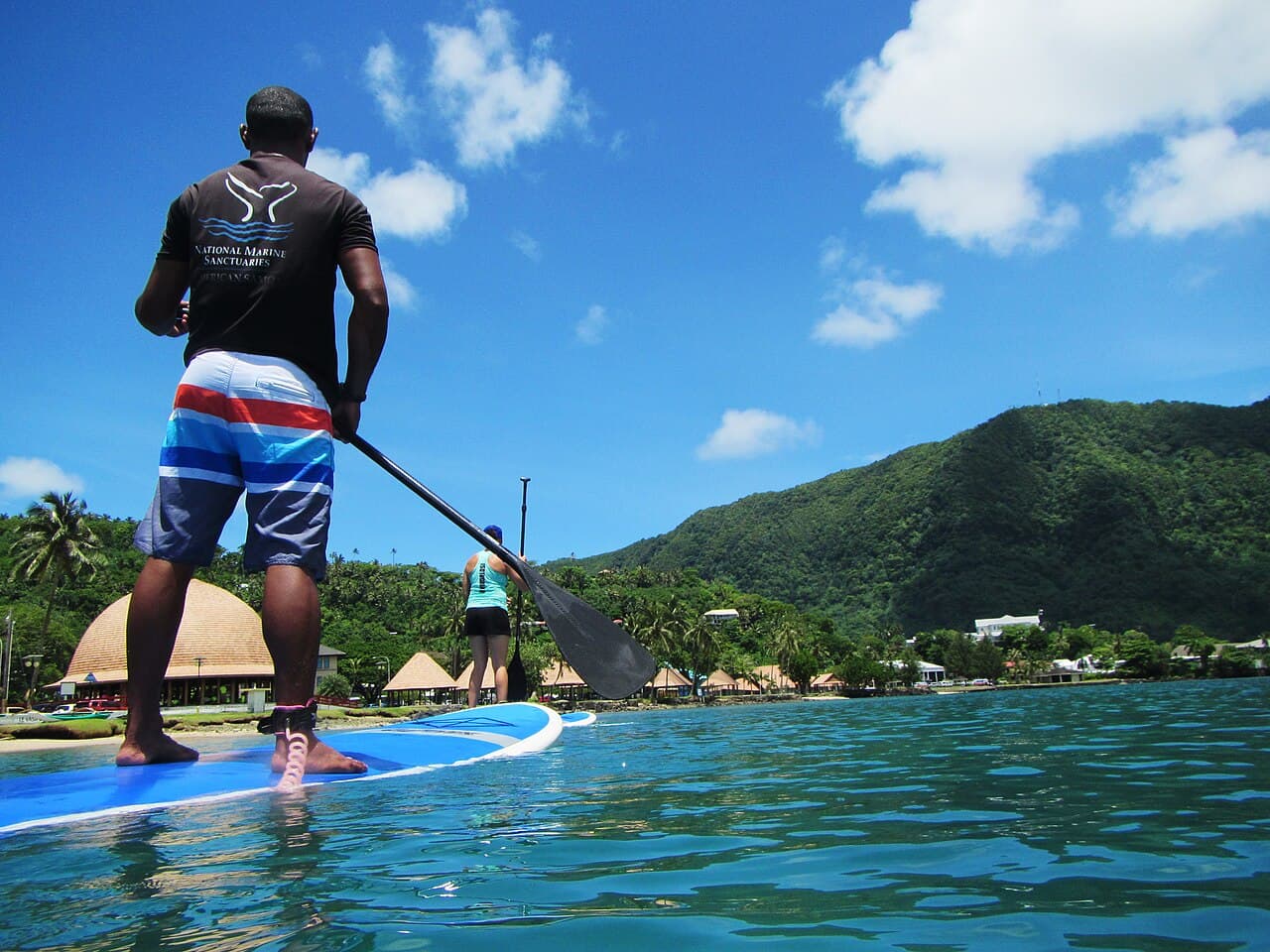
Stand-up paddleboarding may feel like a modern fitness craze, but its roots run straight back to Hawaiʻi, where beachboys once stood on longboards to keep an eye on swimmers and snap photos. Today the sport offers one of the most accessible ways onto the water — no wave required.
Why Paddlers Love It
On a flat, calm morning, a paddleboard turns any sheltered bay into a place to glide over coral, spot turtles beneath the board, and get a quiet workout without the commitment of surfing. Rivers and lagoons on Kauaʻi and Oʻahu make especially serene routes for beginners.
Getting the Basics
Balance comes faster than most people expect: start on your knees, stand when you feel steady, and keep your gaze on the horizon rather than your feet. Choose calm, wind-free water for your first outing, wear the board leash, and always check conditions before heading out.
Paddleboarding is the rare ocean sport where the best days are the calmest ones.
Before You Go
- Pick calm, wind-protected water for your first session
- Start kneeling, then rise when the board feels stable
- Always wear the ankle leash
- Rivers and lagoons are gentler than open coast
Respect the ocean, read the conditions, and the reward is a day you will replay for years.
More stories to read

Pipeline Season: Inside the North Shore's Winter of Consequence
When winter swells wrap onto the reef at Banzai Pipeline, Oʻahu's North Shore becomes the most watched stretch of water in surfing.

Chasing the Green Flash: Sunset Sails off the Kona and Maui Coasts
A late-afternoon catamaran cruise trades adrenaline for something rarer in Hawaiʻi: stillness, a mai tai and a shot at the green flash.

The Reef We Stand to Lose: Coral, Bleaching and Hope in Hawaiʻi
Hawaiʻi's reefs are the foundation of its ocean life — and a front line in the fight against warming seas.