Face Down in Paradise: A Snorkeler's Guide to Hawaiʻi's Best Reefs
You don't need a tank to meet Hawaiʻi's reef — a mask, fins and a calm morning open up a world of color just below the surface.
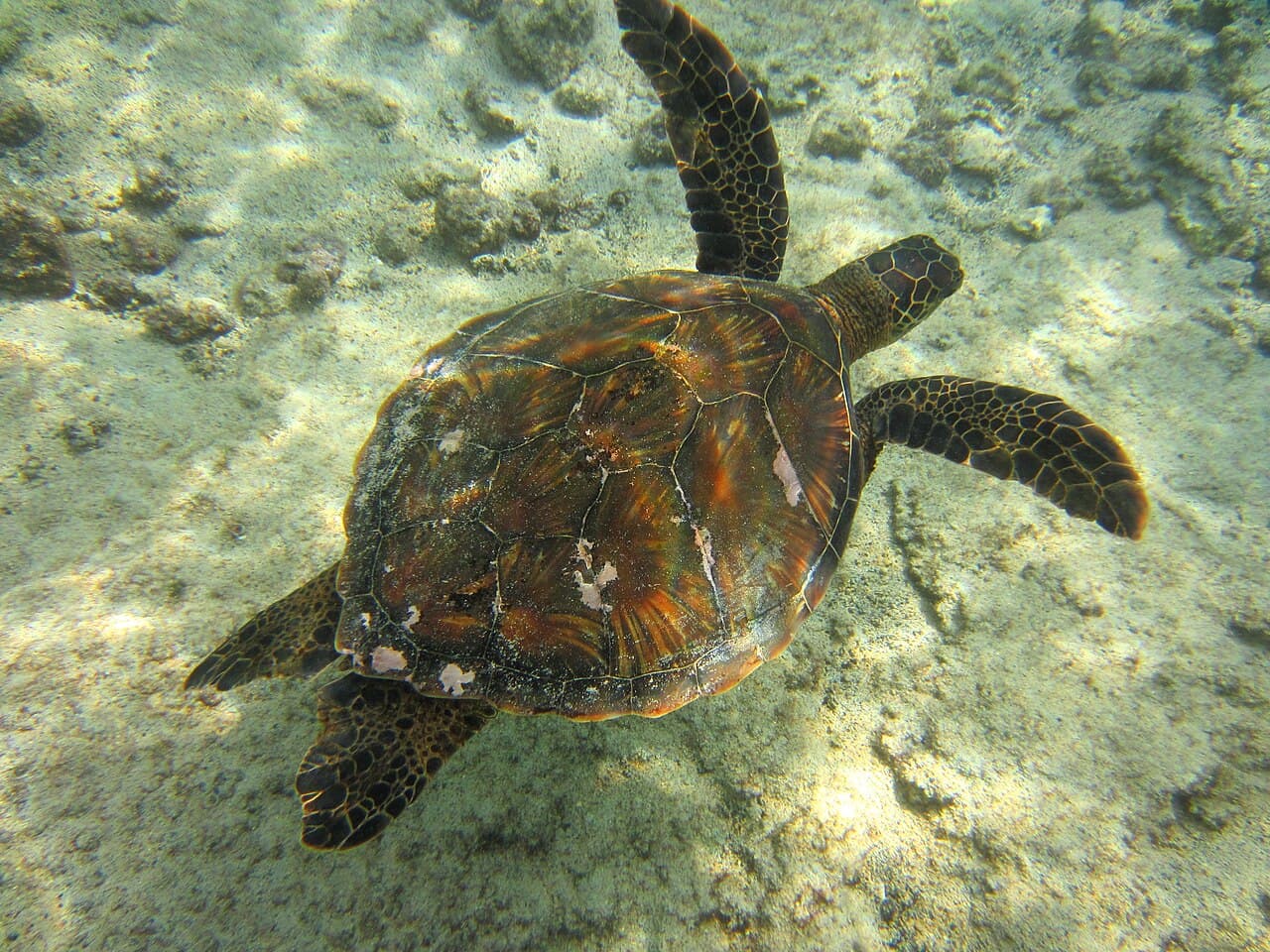
Snorkeling is the great equalizer of Hawaiian ocean life: with nothing more than a mask and fins, anyone can float above coral gardens alive with parrotfish, tang and the occasional gliding honu. The islands are ringed with sheltered spots where the water is clear, shallow and improbably full of color.
Where to Look
Protected coves like Hanauma Bay on Oʻahu and the crescent crater of Molokini off Maui are famous for good reason, but quieter reefs reward those willing to explore. Calm morning water, before the wind and crowds arrive, almost always means the best visibility.
Snorkel Smart
Hawaiʻi's reefs are fragile and increasingly protected, so wear reef-safe sunscreen, never stand on coral, and keep a respectful distance from turtles and monk seals. Check the day's surf and current, and if the water looks rough or murky, save it for another morning.
The reef asks for so little — a slow kick, a light touch, a respectful distance — and gives back an entire world.
Good to Know
- Top spots: Hanauma Bay (Oʻahu) and Molokini crater (Maui)
- Morning water is clearest, before wind stirs the surface
- Use only mineral, reef-safe sunscreen
- Never touch coral or crowd the wildlife
The water gives back what you bring to it — patience, respect, and a little nerve.
More stories to read

Pipeline Season: Inside the North Shore's Winter of Consequence
When winter swells wrap onto the reef at Banzai Pipeline, Oʻahu's North Shore becomes the most watched stretch of water in surfing.

Chasing the Green Flash: Sunset Sails off the Kona and Maui Coasts
A late-afternoon catamaran cruise trades adrenaline for something rarer in Hawaiʻi: stillness, a mai tai and a shot at the green flash.

The Reef We Stand to Lose: Coral, Bleaching and Hope in Hawaiʻi
Hawaiʻi's reefs are the foundation of its ocean life — and a front line in the fight against warming seas.