The Plantation House: Hawaiʻi's Most Enduring Home Style
Single-wall construction, wide eaves and a welcoming porch — the plantation-style home remains the soul of island residential design.
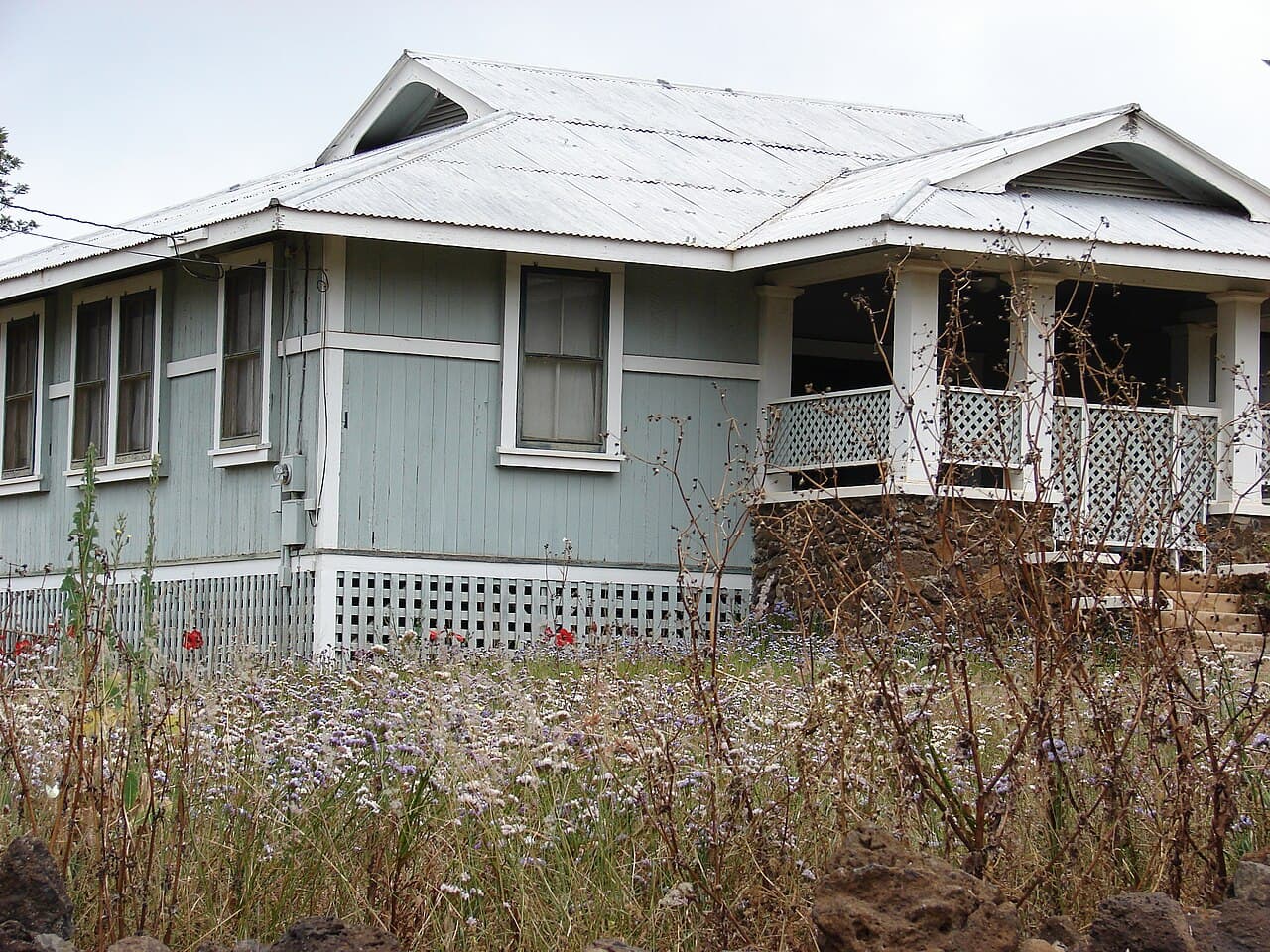
Drive through any older Hawaiian town and you will see them: modest, tin-roofed homes with wide eaves, raised floors and generous porches. The plantation-style house, born in the camps that housed sugar and pineapple workers, has become the most beloved and enduring residential style in the islands.
Built for the Climate
These homes were designed for the tropics long before air conditioning — raised off the ground for airflow, with high ceilings, large windows and deep eaves to shed rain and shade interiors. Their simple, practical wisdom keeps them cool and comfortable in ways many modern boxes are not.
A Style Reborn
Today, plantation-style design is prized for its charm and its climate-smart bones, and new homes often borrow its porches, hip roofs and board-and-batten details. Restored originals are especially sought after, blending history with a breezy, unmistakably local sense of home.
The plantation house was keeping Hawaiʻi cool and neighborly a century before anyone installed air conditioning.
Good to Know
- Born in the sugar and pineapple plantation camps
- Raised floors and deep eaves suit the tropics
- High ceilings and big windows keep interiors cool
- The style is widely revived in new construction
Do the math, visit in the off-season, and picture the ordinary Tuesdays, not just the sunsets.
More stories to read

Priced Like Paradise: Making Sense of Honolulu's Housing Market
With some of the highest home prices in the nation, Honolulu's market rewards those who understand what island living really costs.

Living With a Rising Ocean: Hawaiʻi's Coastal Property Reckoning
Erosion, high surf and sea-level rise are forcing a hard rethink of what it means to own a home on Hawaiʻi's shrinking shores.

Homes or Hotels? Hawaiʻi's Fraught Debate Over Vacation Rentals
As short-term rentals reshape neighborhoods, Hawaiʻi is wrestling with how to balance tourism, income and local housing.