Closer to the Stars: A Night at the Mauna Kea Visitor Station
At nearly 14,000 feet, the Big Island's tallest peak offers some of the clearest, darkest skies on Earth — with real cautions attached.
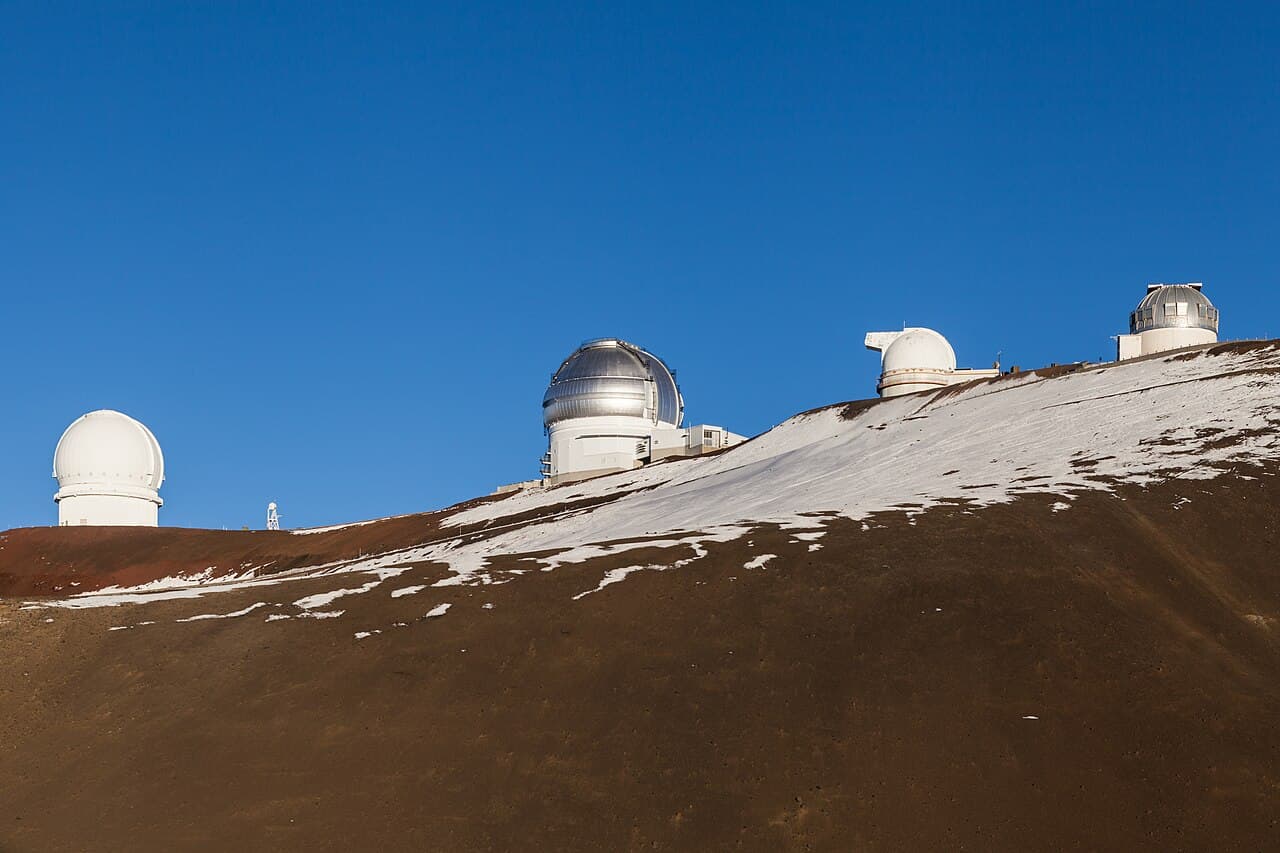
Mauna Kea rises so far above the Pacific that its summit sits above 40 percent of the atmosphere, in air so dry and dark that the world's great observatories cluster along its rim. For visitors, the mountain is both an extraordinary stargazing site and a place that demands genuine respect — for the altitude and for its standing as sacred ground.
Where to Watch
Most visitors stop at the Visitor Information Station at 9,200 feet, where the air is thinner but the risk far lower than at the summit. Away from any city glow, the Milky Way arcs overhead in startling detail, and volunteer-led programs sometimes set up telescopes on clear nights.
Going Higher, Carefully
The summit road beyond the station is steep, unpaved in parts and off-limits to most rental cars; the altitude there can cause real sickness. Acclimatize at the station for at least half an hour, bring serious warm layers, and remember that this is a wahi pana, a storied and sacred place, not a theme park.
Few places on Earth are this dark, this high, or this quietly sacred all at once.
If You Go
- Stop at the Visitor Information Station (9,200 ft) for safe stargazing
- Acclimatize 30+ minutes before going any higher
- The summit road requires 4WD and is unsafe for many visitors
- Temperatures fall below freezing — dress as if for winter
Come for the postcard view; stay for the slow, salt-air rhythm that keeps travelers coming back.
More stories to read

Waikīkī at Dawn: The Case for Beating the Crowds on Oʻahu's Famous Shore
Before the beach towels and the surf lessons, Waikīkī belongs to early risers, paddlers and the pink light on Diamond Head.

Waimea Bay and the Soul of Oʻahu's North Shore
Summer swimming hole, winter big-wave arena: Waimea Bay is the beating heart of Oʻahu's fabled North Shore.

The Kalalau Trail: Kauaʻi's Legendary — and Demanding — Coastal Hike
Eleven miles of cliff-edge trail along the Nā Pali Coast reward serious hikers with a valley few people ever reach.