Hanauma Bay's Second Act: How Rest Days Brought a Reef Back to Life
A protected volcanic cove on Oʻahu's southeast coast shows what happens when a beloved snorkeling spot finally gets to breathe.
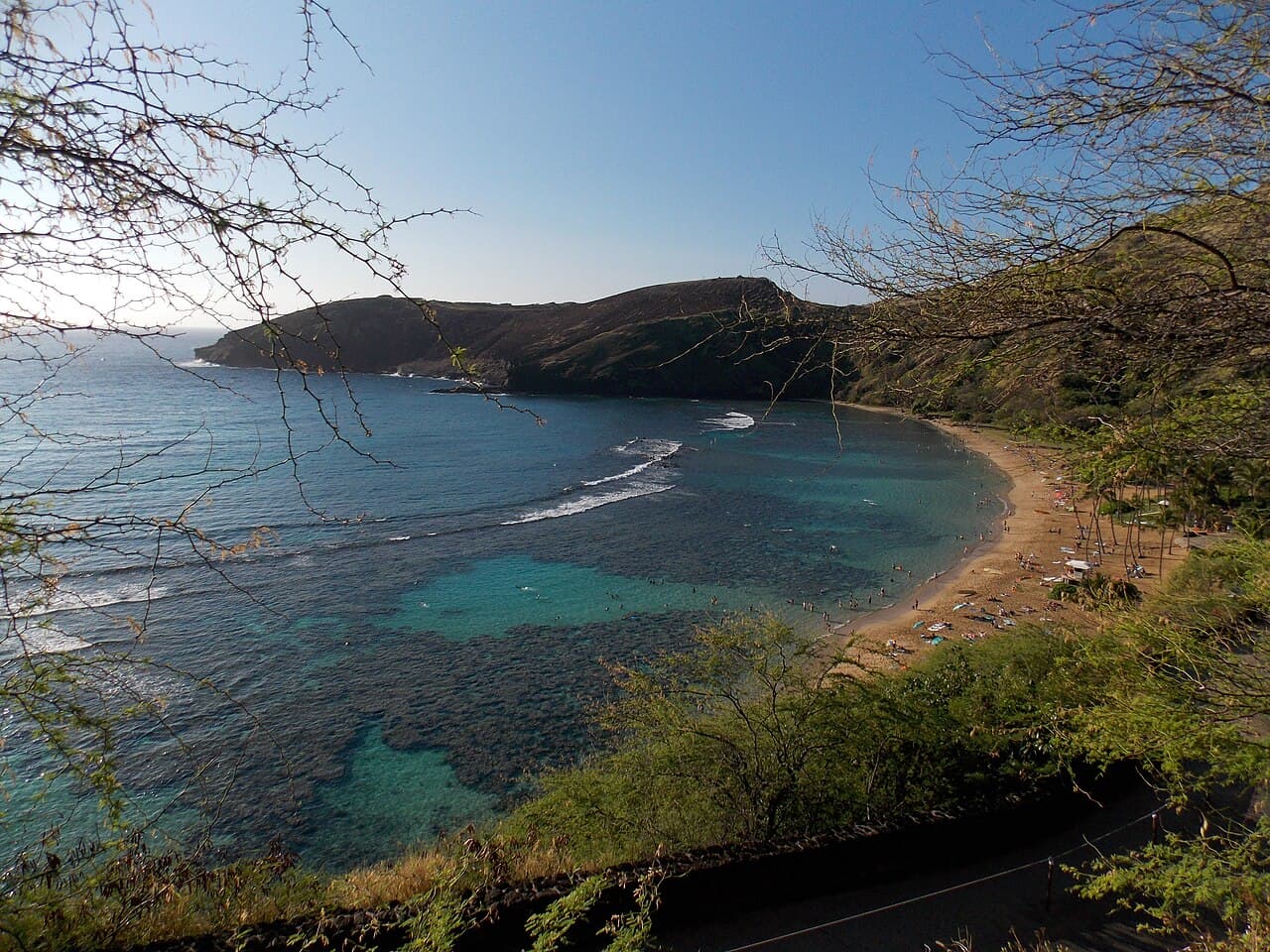
Cupped inside a collapsed volcanic crater, Hanauma Bay is the most famous snorkeling spot in Hawaiʻi — and for years, that fame nearly loved it to death. Today the curved turquoise bay is a case study in recovery, its reef visibly healthier after the introduction of closures, caps on daily visitors and a mandatory conservation briefing.
What You'll See
The shallow inner reef teems with yellow tang, parrotfish and the occasional honu, or green sea turtle, gliding over the coral. Because the bay is a protected marine life conservation district, the fish are unusually unbothered by swimmers, drifting close in the clear, calm water inside the reef line.
Getting In
Entry is capped and reservations sell out within minutes of release, so set an alarm for the booking window. The bay closes on Mondays and Tuesdays to give the reef a rest, a policy that has quietly become a model for managing beloved natural places elsewhere in the islands.
Two closed days a week turned out to be the kindest thing anyone ever did for this reef.
If You Go
- Closed Mondays and Tuesdays; reservations required and go fast
- Watch the conservation video before you can head down to the sand
- Bring reef-safe sunscreen — chemical formulas are discouraged
- Never touch or stand on the coral, and keep your distance from turtles
Pack light, leave early, and let the island set the pace.
More stories to read

Waikīkī at Dawn: The Case for Beating the Crowds on Oʻahu's Famous Shore
Before the beach towels and the surf lessons, Waikīkī belongs to early risers, paddlers and the pink light on Diamond Head.

Waimea Bay and the Soul of Oʻahu's North Shore
Summer swimming hole, winter big-wave arena: Waimea Bay is the beating heart of Oʻahu's fabled North Shore.

The Kalalau Trail: Kauaʻi's Legendary — and Demanding — Coastal Hike
Eleven miles of cliff-edge trail along the Nā Pali Coast reward serious hikers with a valley few people ever reach.