One Breath Down: The Quiet Discipline of Freediving Hawaiʻi's Reefs
Stripped of tanks and bubbles, freediving offers an intimate, meditative way to move through Hawaiʻi's underwater world.
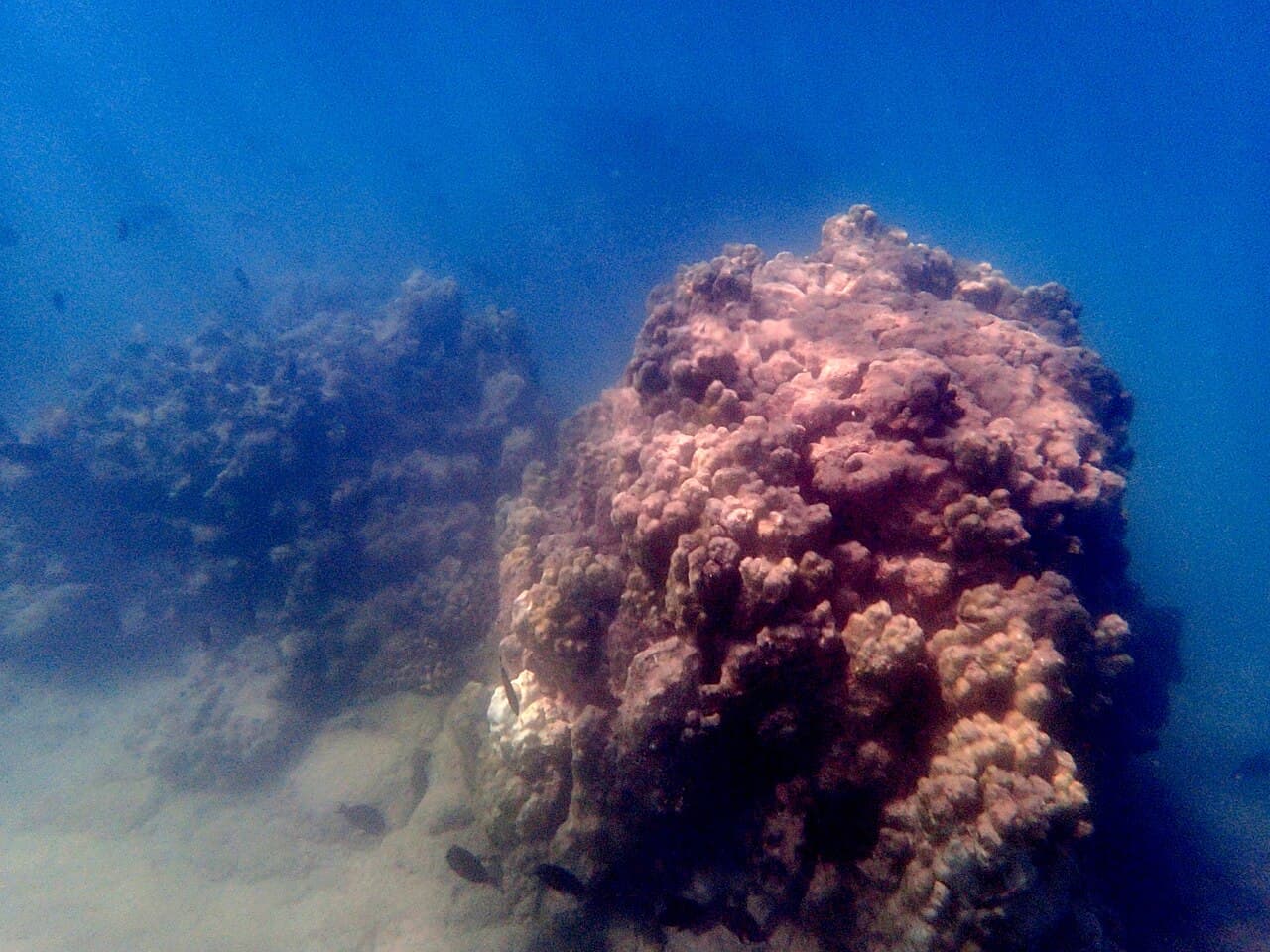
Freediving trades the gear and noise of scuba for something quieter and more elemental: a single breath, a slow descent, and a few weightless minutes among the reef. On Hawaiʻi's clear, warm reefs, the discipline has a devoted following drawn as much to its calm as to its challenge.
A Different Kind of Dive
Without bubbles to spook them, fish and turtles often behave naturally around a still freediver, allowing close, unhurried encounters. The sport demands relaxation over exertion — panic burns oxygen, so the skill is as much mental as physical.
Learn It Safely
Freediving carries real risks, above all shallow-water blackout, and should never be done alone. Take a certified course, always dive with a trained buddy who watches you on every descent, and build your limits slowly. The reef will still be there next breath.
Scuba lets you stay; freediving teaches you to let go — one calm breath at a time.
Before You Go
- Never freedive alone — always use a trained buddy
- Take a certified course before going deep
- Relaxation matters more than power or speed
- Learn the warning signs of shallow-water blackout
Check the forecast, go with someone who knows the break, and paddle out.
More stories to read

Pipeline Season: Inside the North Shore's Winter of Consequence
When winter swells wrap onto the reef at Banzai Pipeline, Oʻahu's North Shore becomes the most watched stretch of water in surfing.

Chasing the Green Flash: Sunset Sails off the Kona and Maui Coasts
A late-afternoon catamaran cruise trades adrenaline for something rarer in Hawaiʻi: stillness, a mai tai and a shot at the green flash.

The Reef We Stand to Lose: Coral, Bleaching and Hope in Hawaiʻi
Hawaiʻi's reefs are the foundation of its ocean life — and a front line in the fight against warming seas.